Technical guides and sourcing advice for buyers specifying woven PP bags, FIBC bulk bags and lumber wrap — written from what we actually get asked.
 Technical
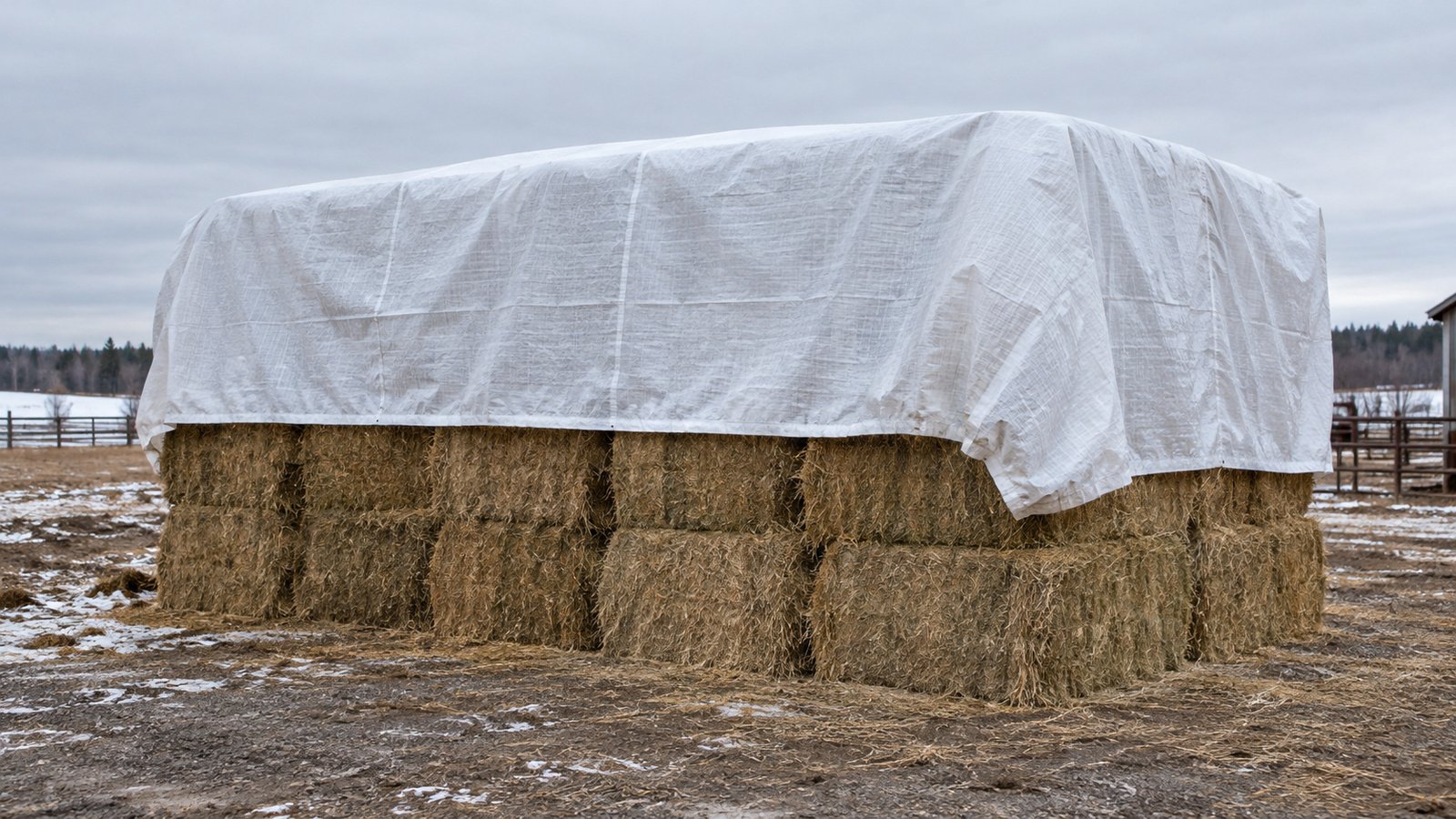
What to specify on a woven PP bale cover: fabric construction, sizing to the stack, hem and grommet detail, anchoring, and how covers differ from bale wrap.
 Technical
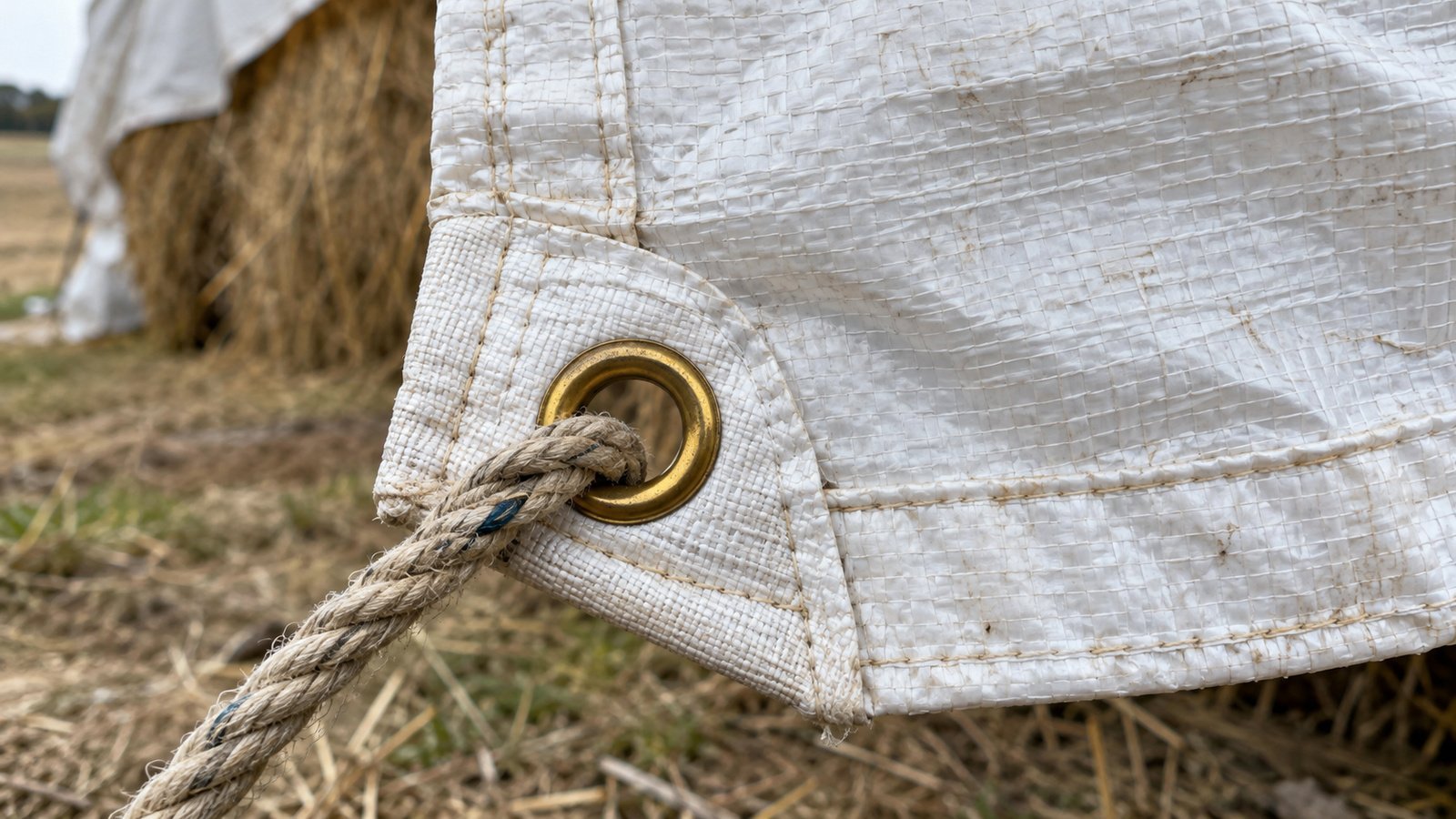
Heavy duty is a marketing word unless it is backed by four things on a spec sheet: fabric weight in GSM, hem construction, grommet detail and corner reinforcement.
 Technical
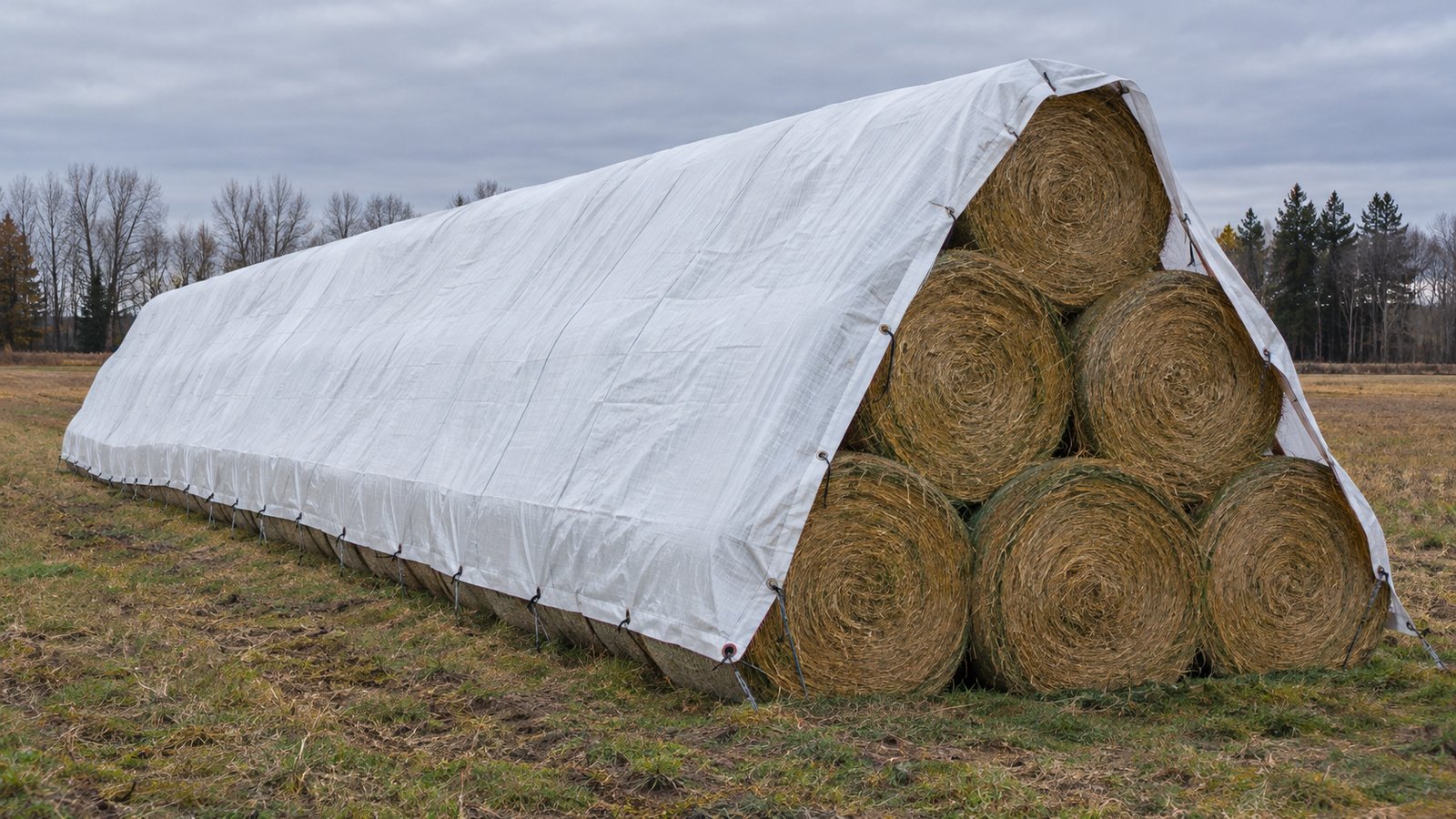
Sizing a stack cover from stack dimensions rather than bale count — side drop, hem allowance, and why a tarp two metres short is the most expensive mistake you can make here.
 Procurement
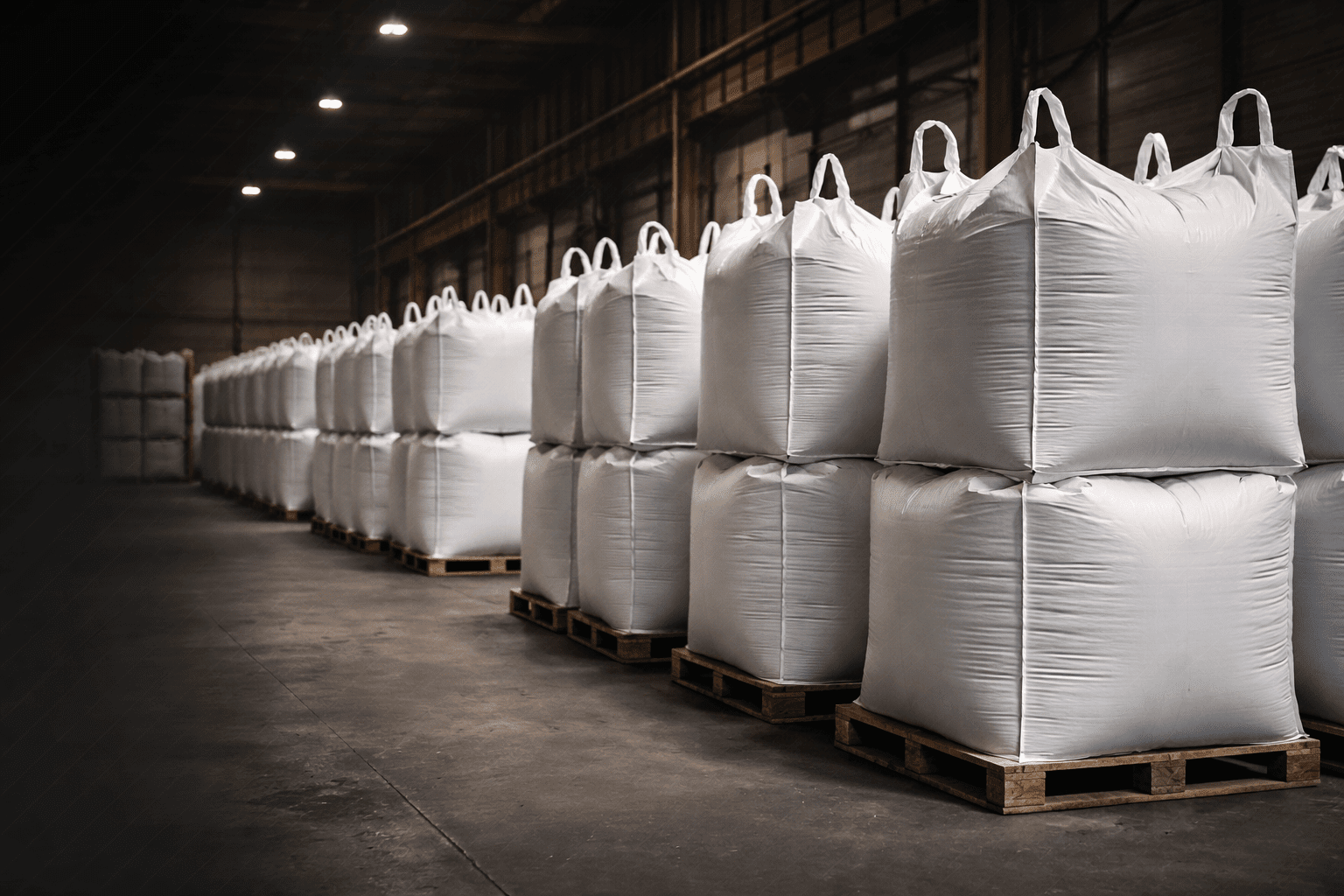
FIBC, bulk bag, 1-ton tote and Super Sack mostly mean the same thing — but not always. A plain-language guide to the vocabulary, plus why a "1-ton bag" often will not hold a tonne of your material.
 Technical
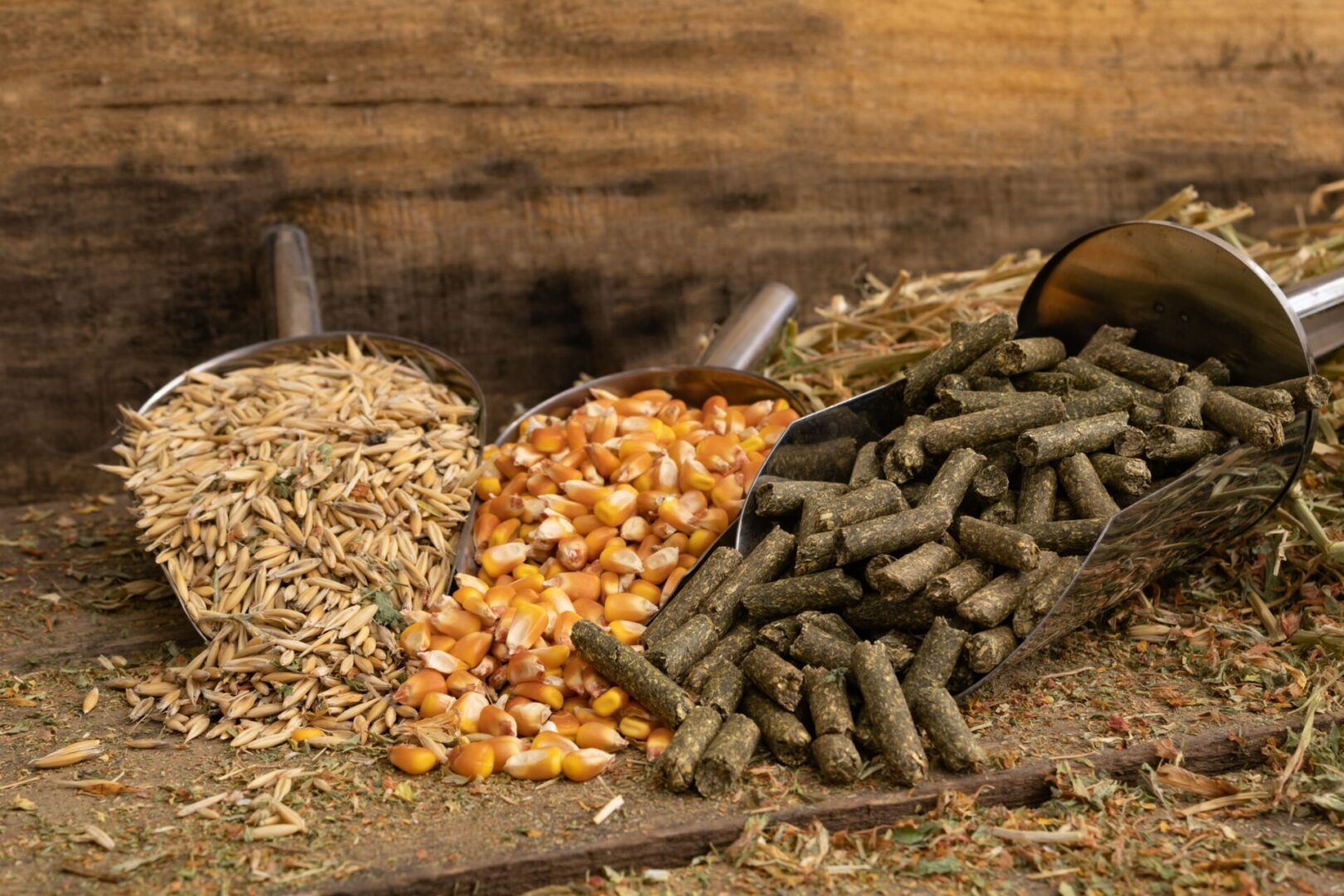
A cover only solves water coming from above. Siting, row orientation, ground contact and stack shape decide how much hay you actually keep through a Canadian winter.
 Procurement
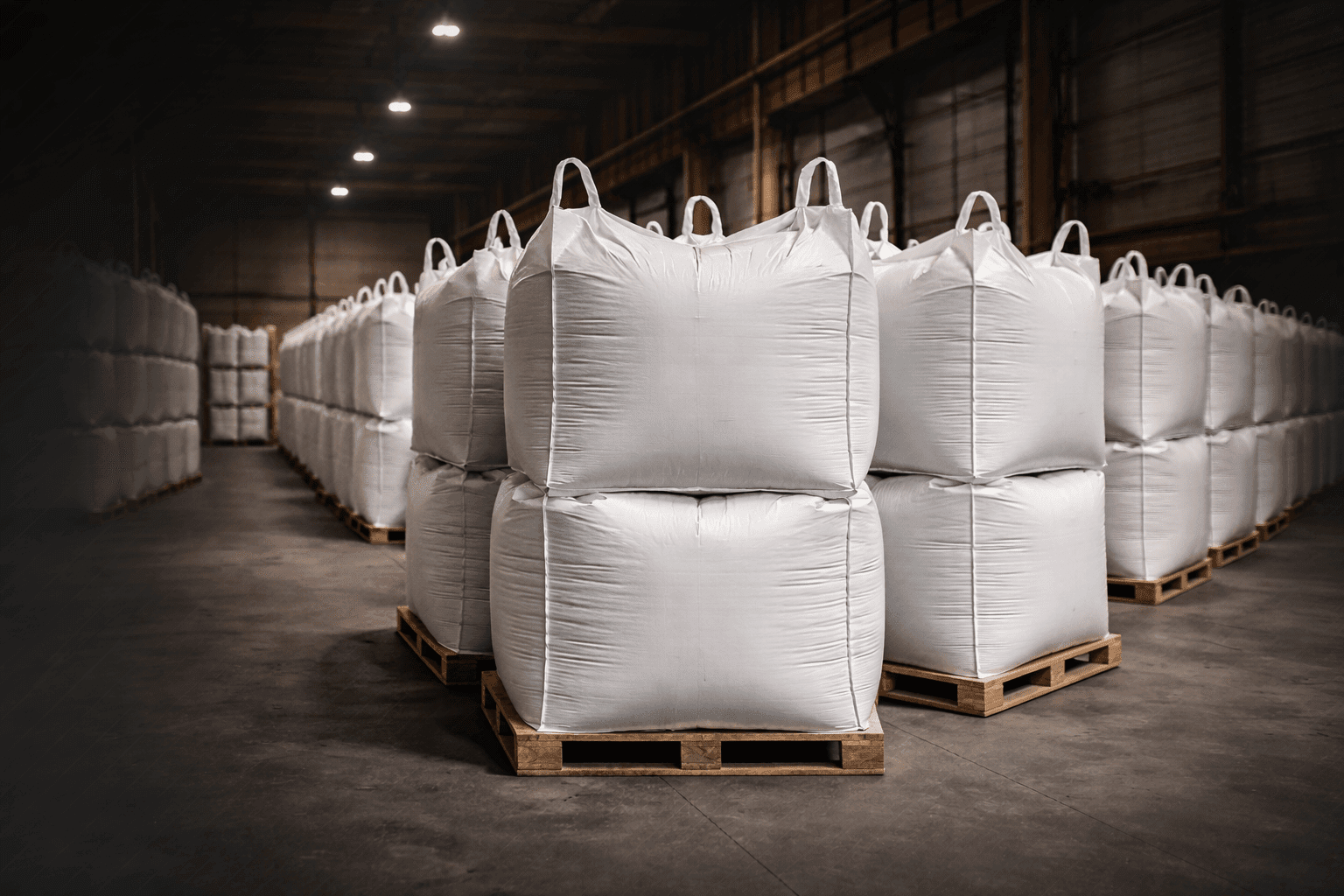
ISO 21898 is a test standard, not a badge. Here is what Canadian buyers should actually demand from an FIBC supplier — test reports, safety factor documentation, food-grade paperwork, and landed-cost clarity.
 Technical
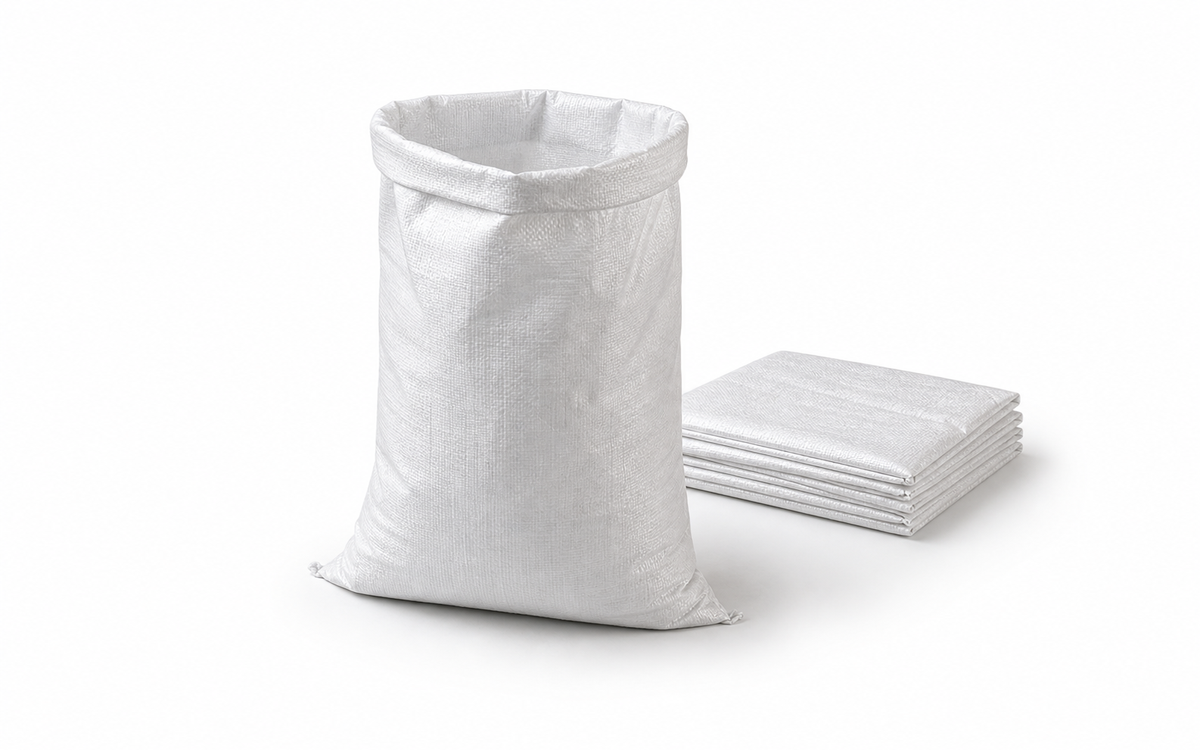
Lamination buys a moisture barrier and a print surface, and costs breathability. A decision guide to PE vs BOPP, the de-aeration requirement, and what lamination does to recyclability.
 Technical
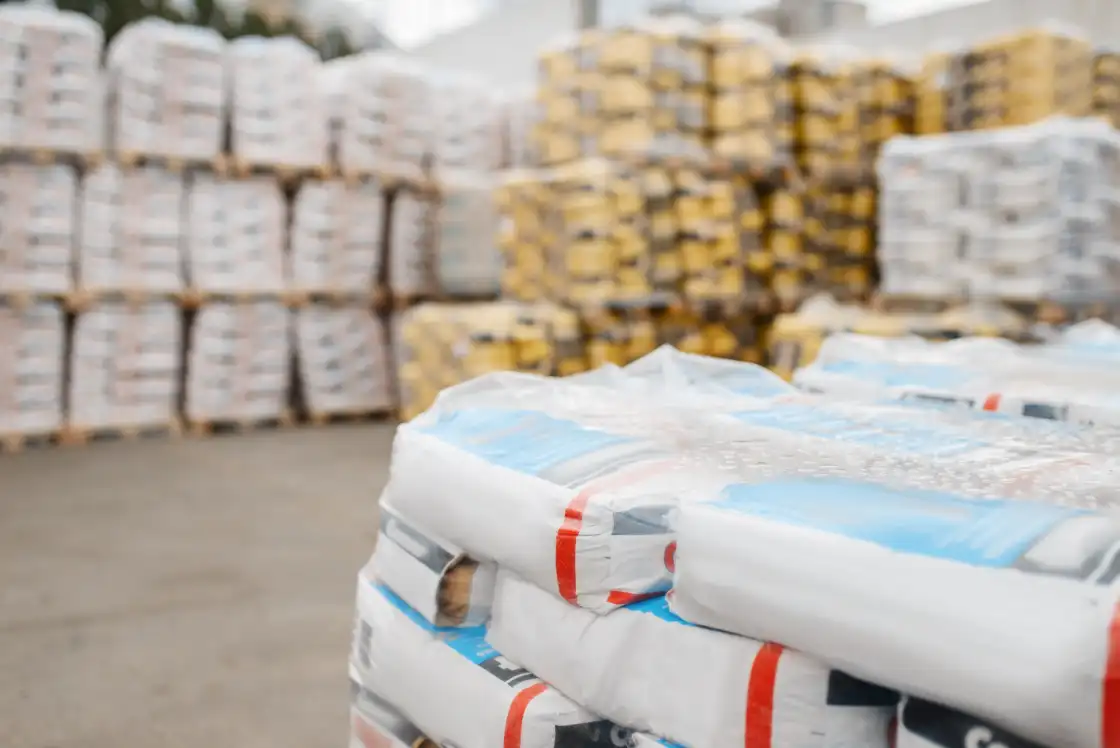
Cement hydrates on contact with moisture, so the bag is a moisture barrier first and a container second. A specification guide covering lamination, valve design, de-aeration, sift-proof seams and pallet stability.
 Technical
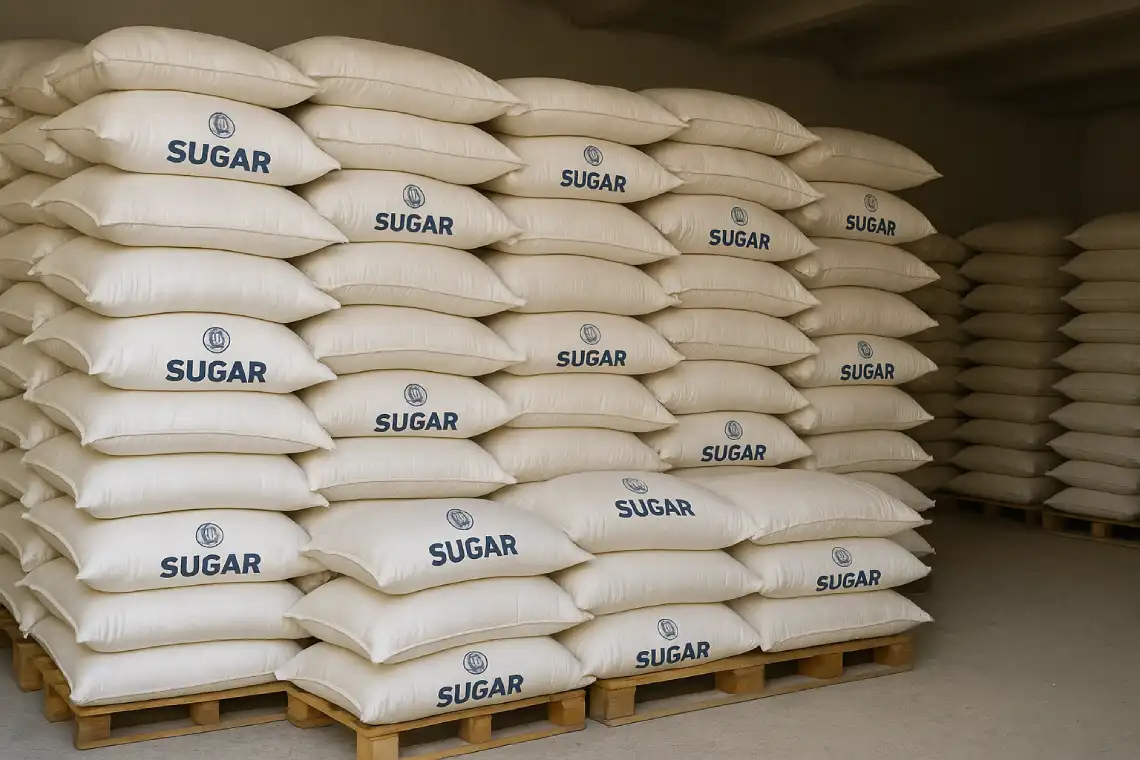
Sugar pulls moisture from the air and picks up odours from its surroundings, so the bag is a two-way barrier. A specification guide covering liners, lamination, sift-proofing and food-contact documentation.
 Procurement
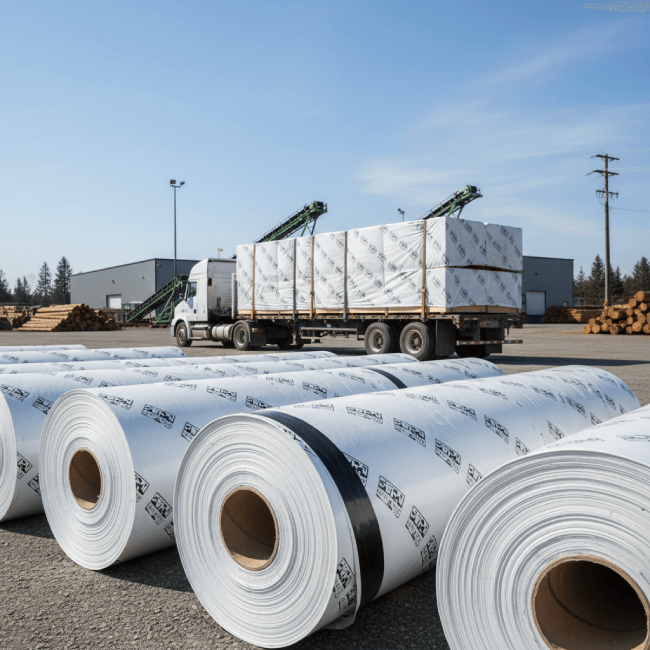
Lumber wrap usually gets reordered, not sourced. Here is what Canadian mills and yards should actually ask a supplier — format, width matching, roll length, UV stabilisation, and landed cost in CAD.
 Technical
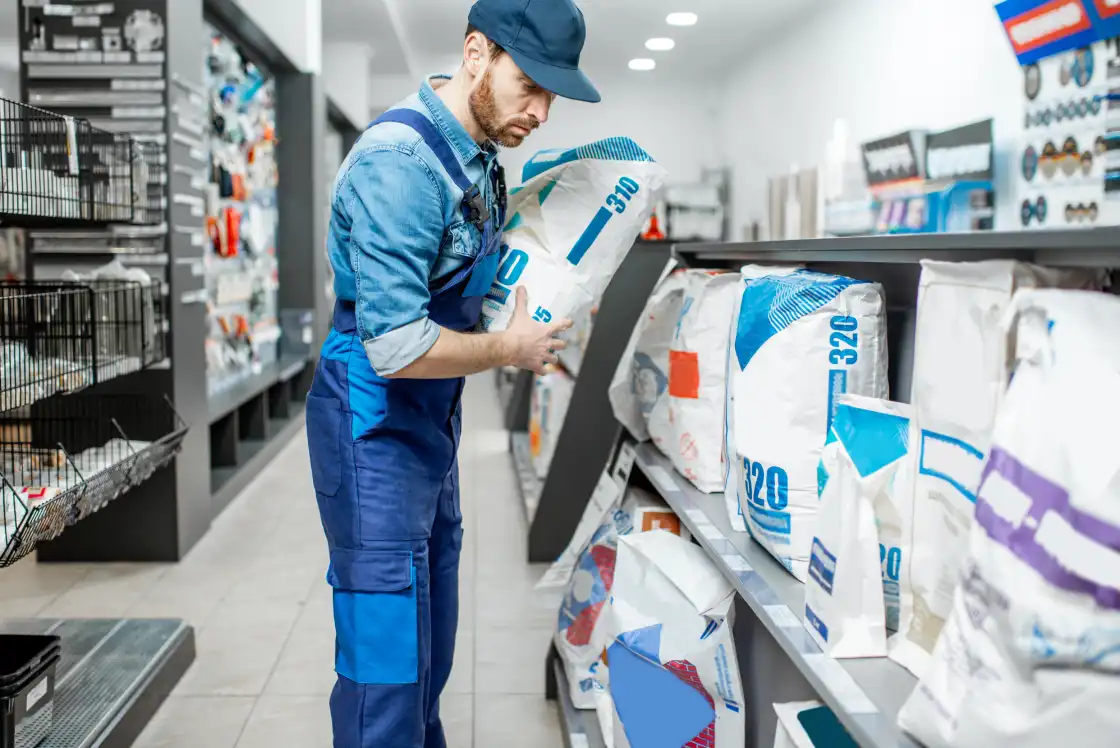
Polymer-modified tile adhesive is more moisture-sensitive than plain cement, and usually has to look good on a retail shelf too. A specification guide for dry-mix producers.
 Technical
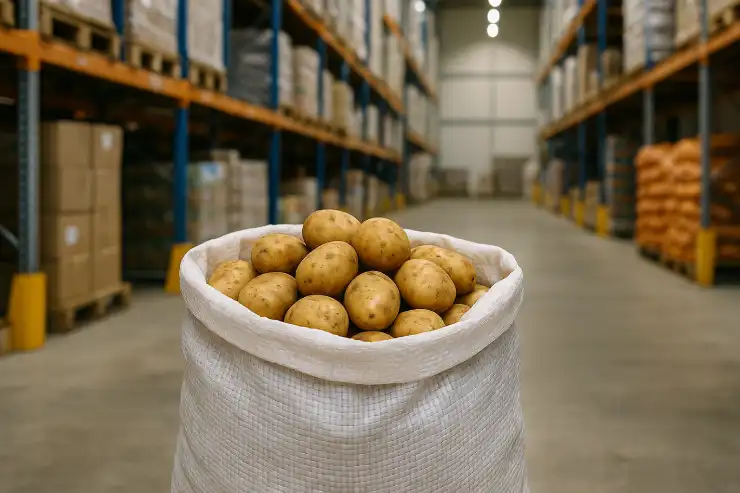
Potatoes need airflow and darkness, and those requirements fight each other. A guide to leno mesh, ventilated woven PP and bulk FIBC for Canadian growers and packers.
 Technical
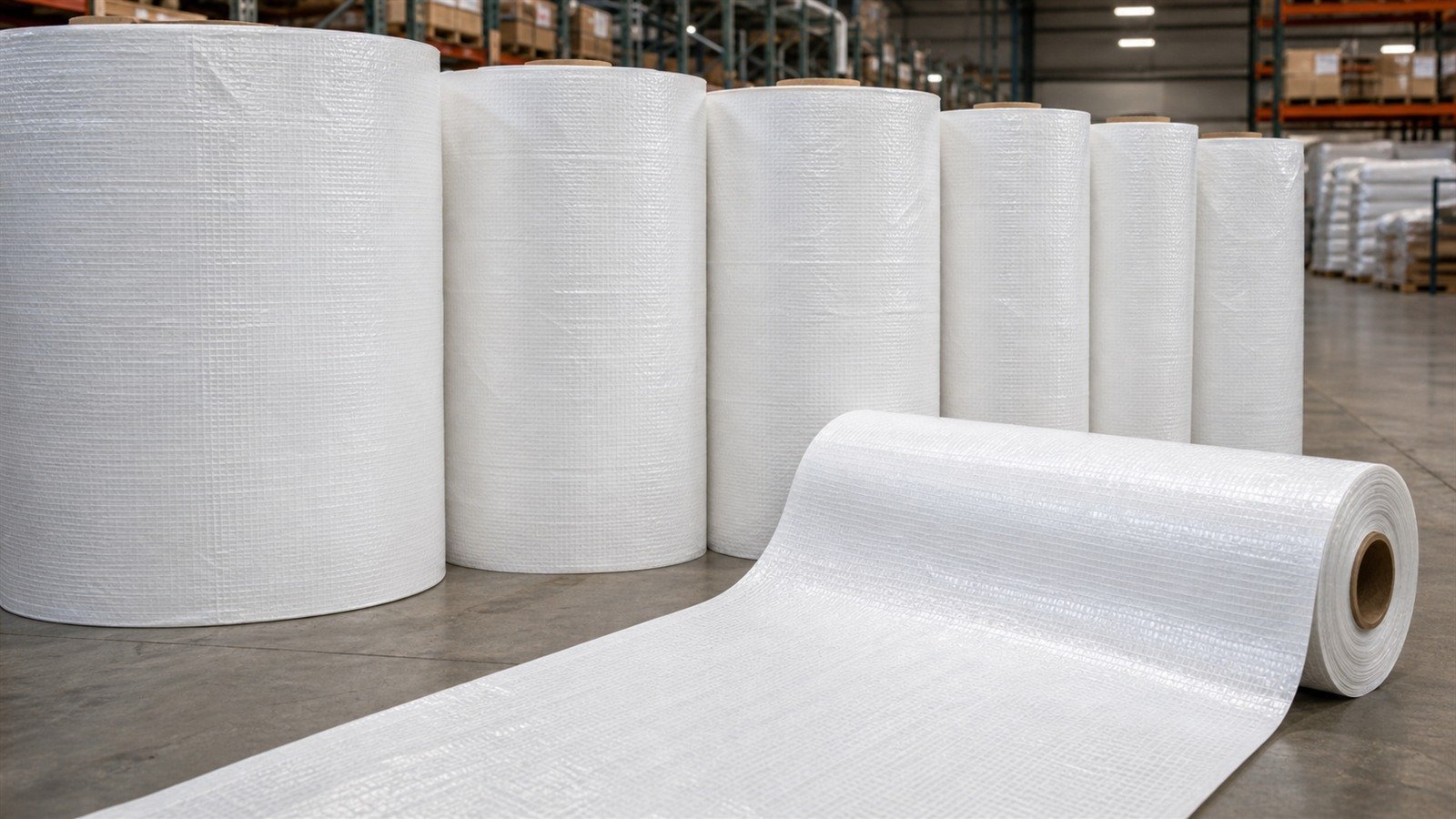
Breathable woven PP bale covers and airtight plastic bale wrap do opposite jobs. The deciding factor is the moisture content of the bale — and getting it backwards is how dry hay ends up mouldy.
 Technical
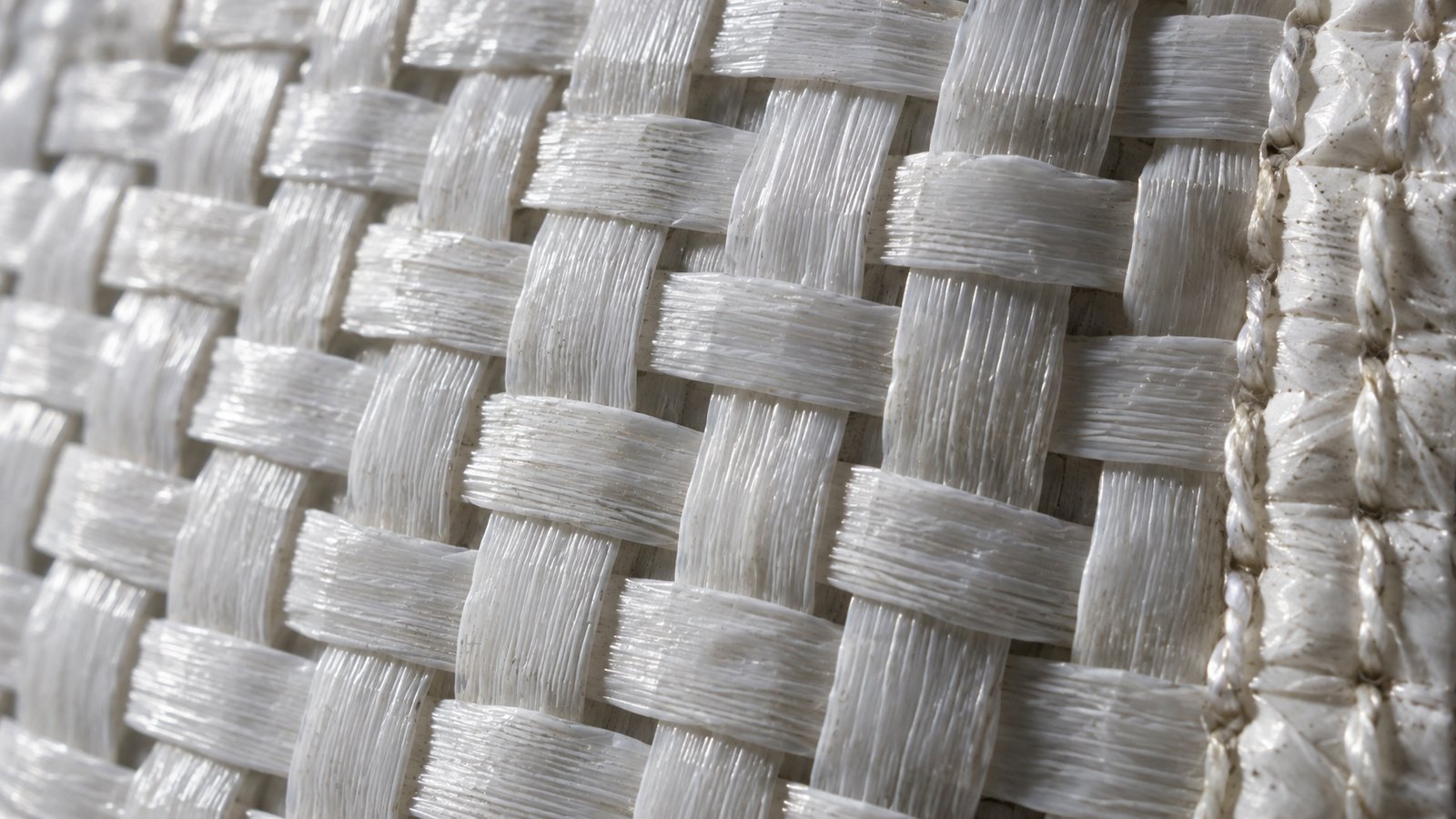
Most FIBC procurement decisions get stuck on dimensions and SWL. Fabric weight quietly drives cost, drop performance, and reuse. Here's how to read GSM like a sourcing pro.
 Sustainability
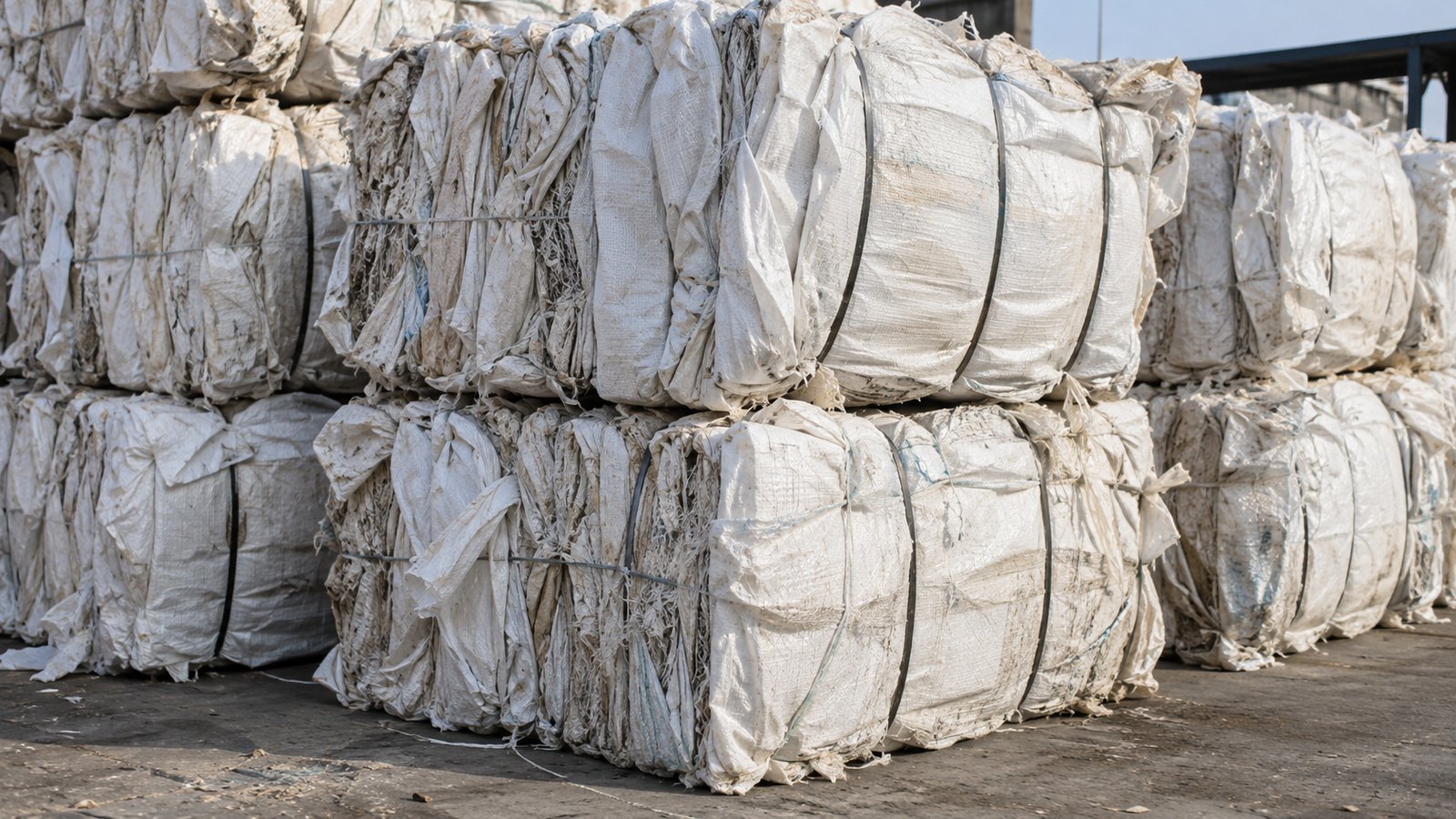
PP resin code 5 is recyclable in theory. Whether it gets recycled in practice depends on bag construction, contamination, and Canadian EPR regulations that are about to widen the gap.
 Industry Insight
After two decades supplying lumber wrap to Canadian sawmills and exporters, the same five procurement mistakes show up in nearly every spec review. Each one costs real money.
Technical
Spec lumber wrap by route and dwell — not last year's PO. A sourcing guide to GSM, UV hours, ISPM 15 myths, and the failure modes procurement should watch.
 Industry Insight
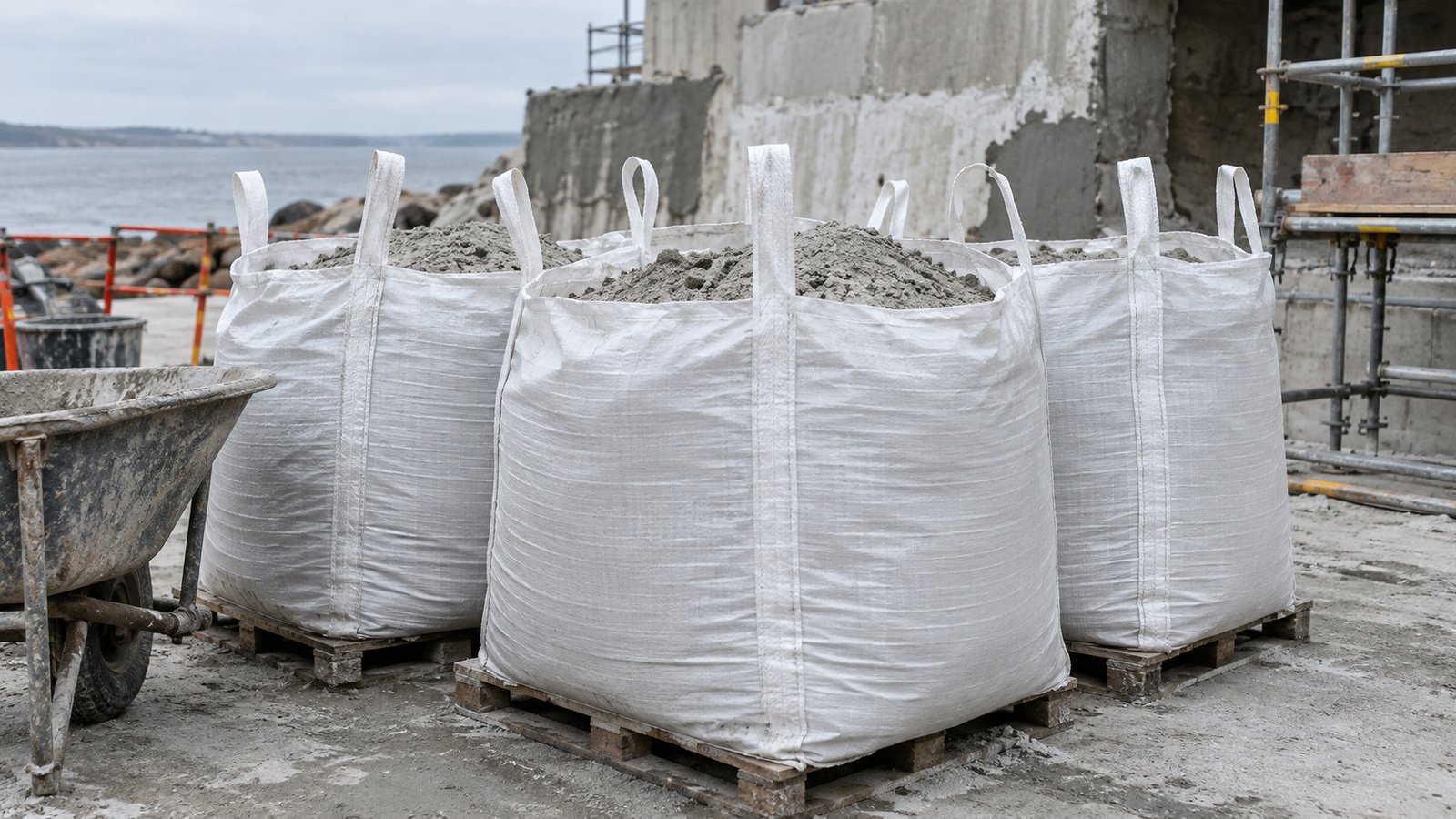
How FIBC bulk bags streamline material handling on concrete restoration and infrastructure repair projects across Canada.
 Regulations
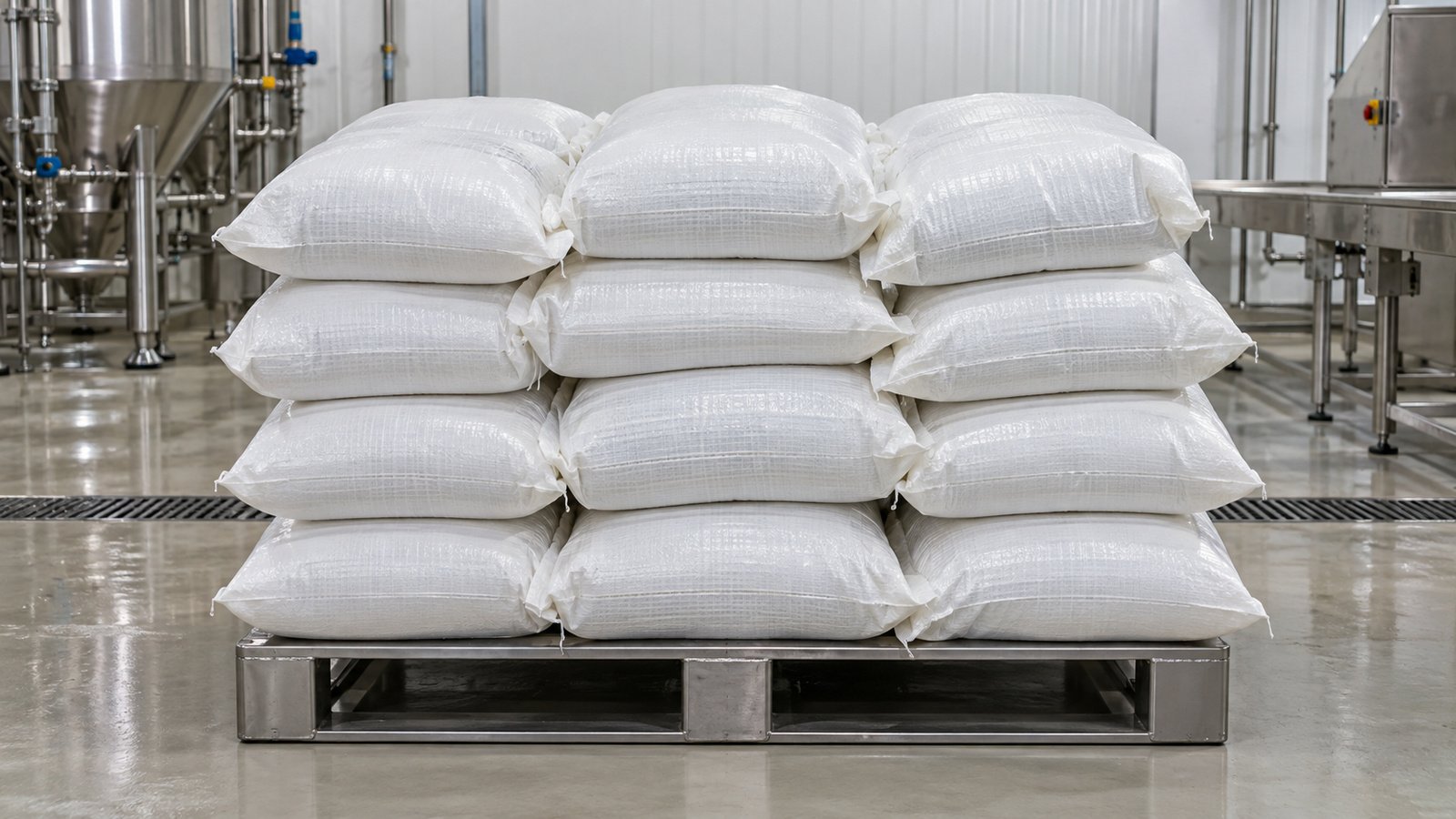
What HACCP, FSSC 22000, and Health Canada food-contact requirements mean when specifying woven PP bags — and what GSM, liner, and lamination choices match grain, flour, sugar, and pulse applications.
 Industry Insight
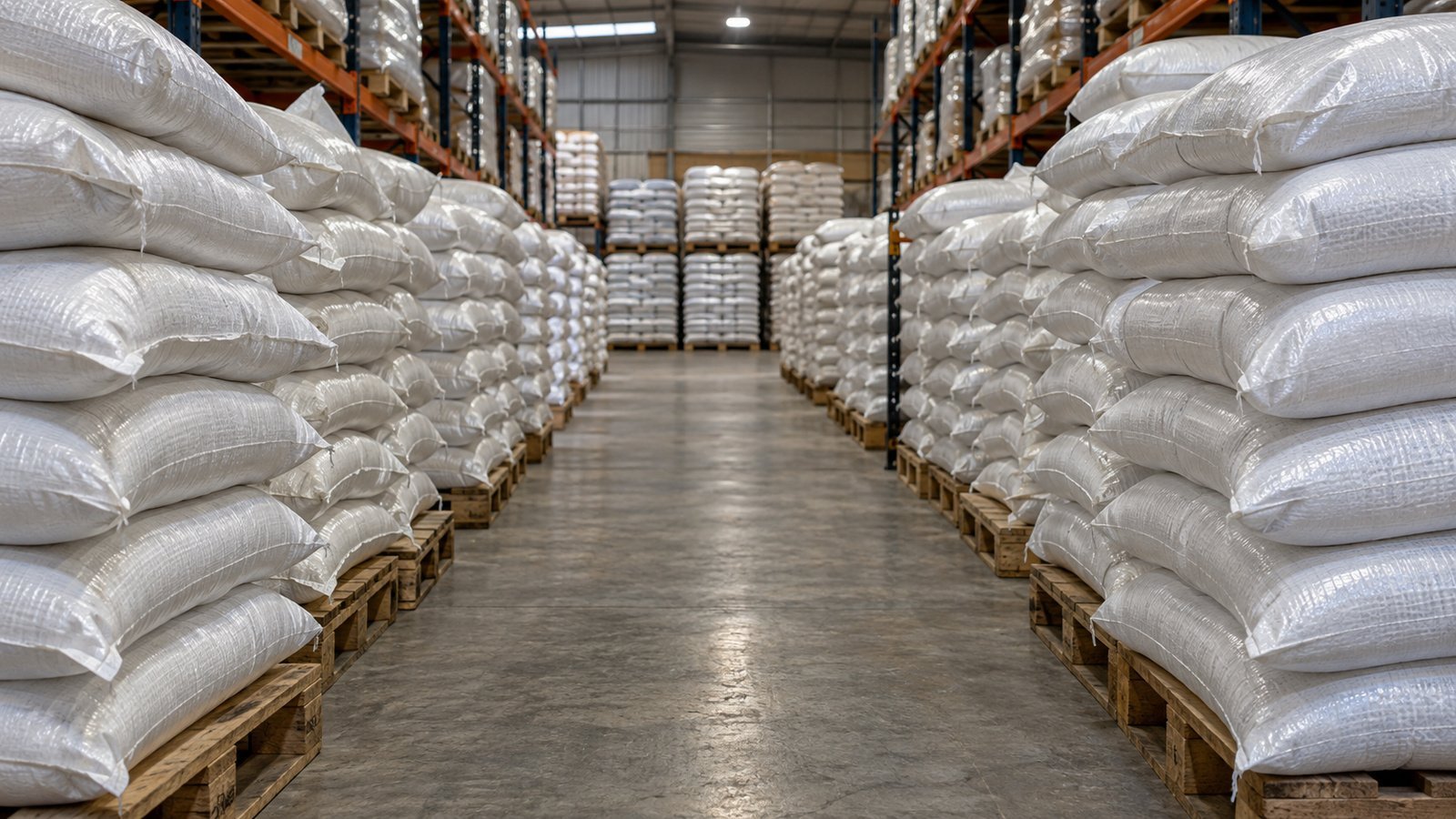
A guide to using woven PP bags across mining, construction, and chemical industries — and why polypropylene is the workhorse material for industrial packaging.