Custom woven polypropylene sacks from 5kg to 50kg — printed, laminated, and food-grade certified. Over 20 industries served across Canada.
Choose the Right Configuration
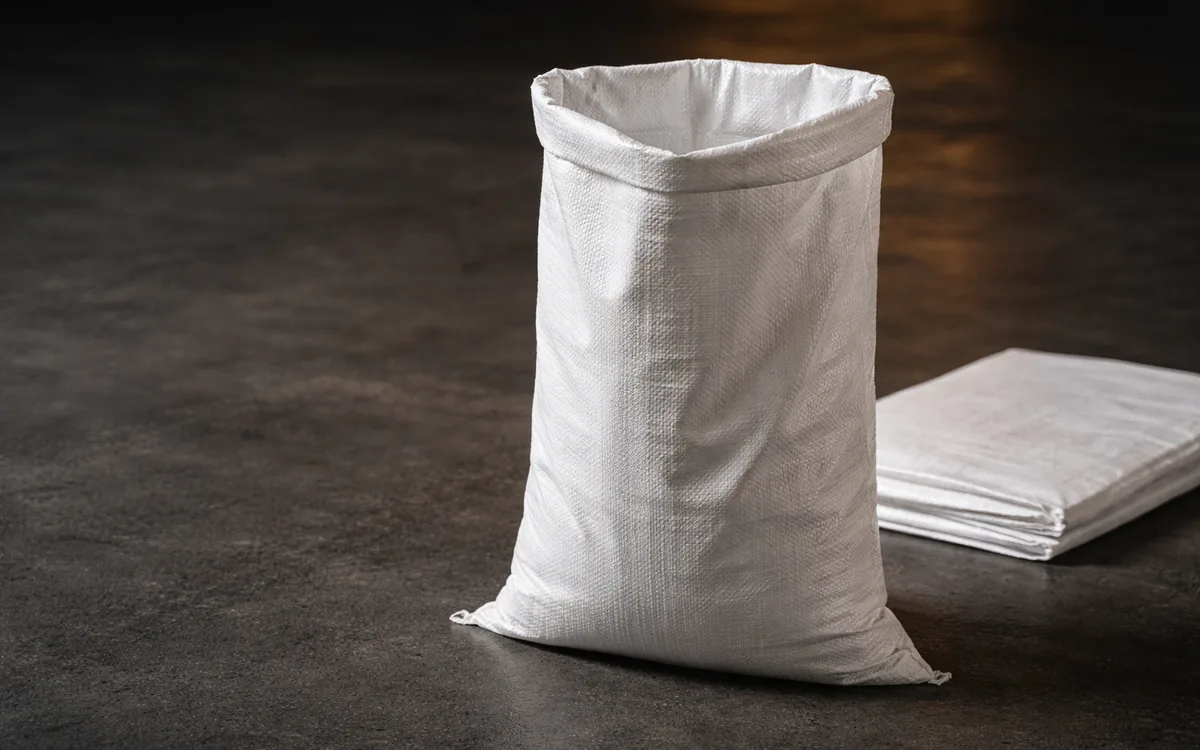
Standard sewn-top closure — the most versatile and widely used PP woven bag configuration for manual and automated filling.
Configure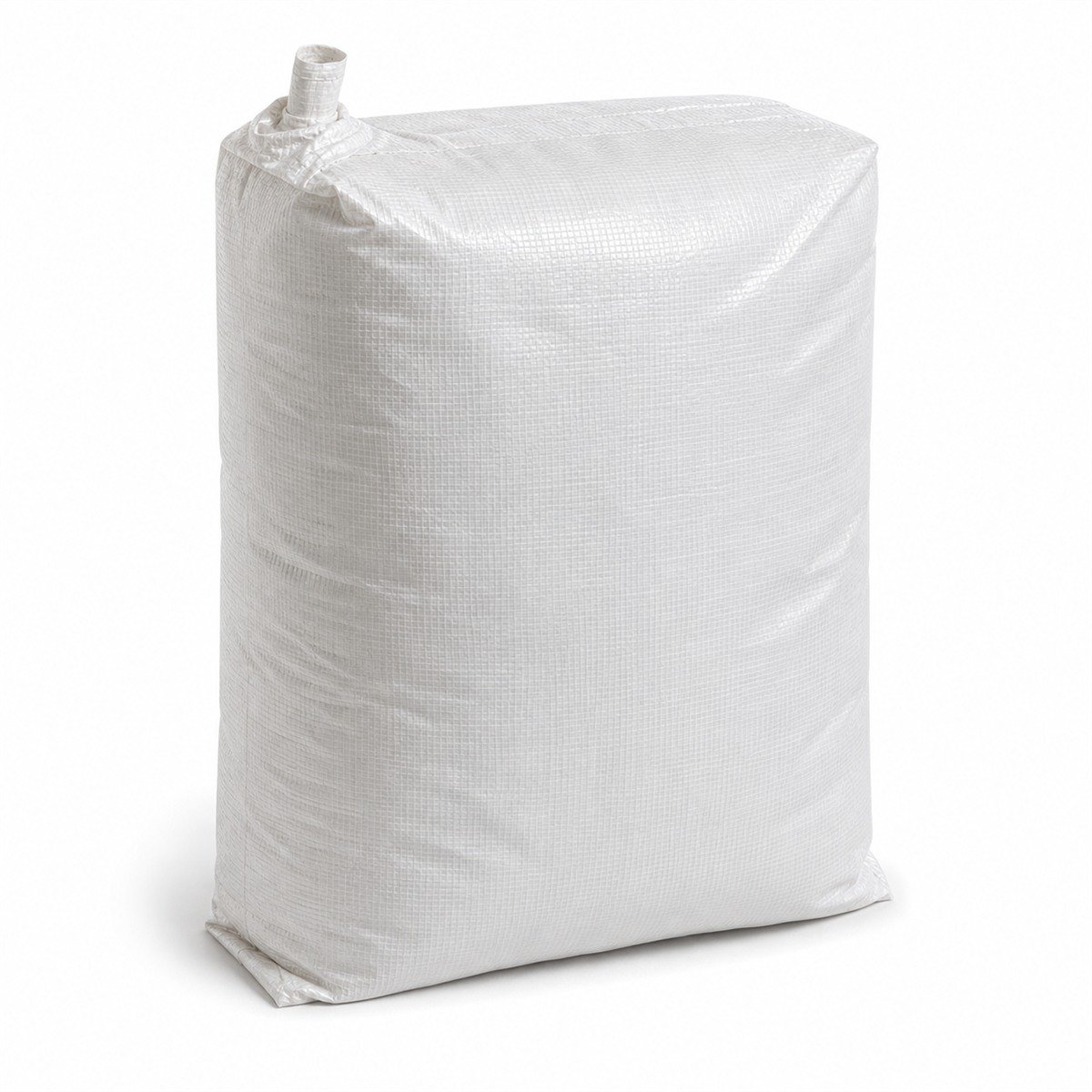
Pre-sealed bags with a valve opening for automated powder filling. Ideal for cement, flour, tile adhesive, and dry-mix products.
Configure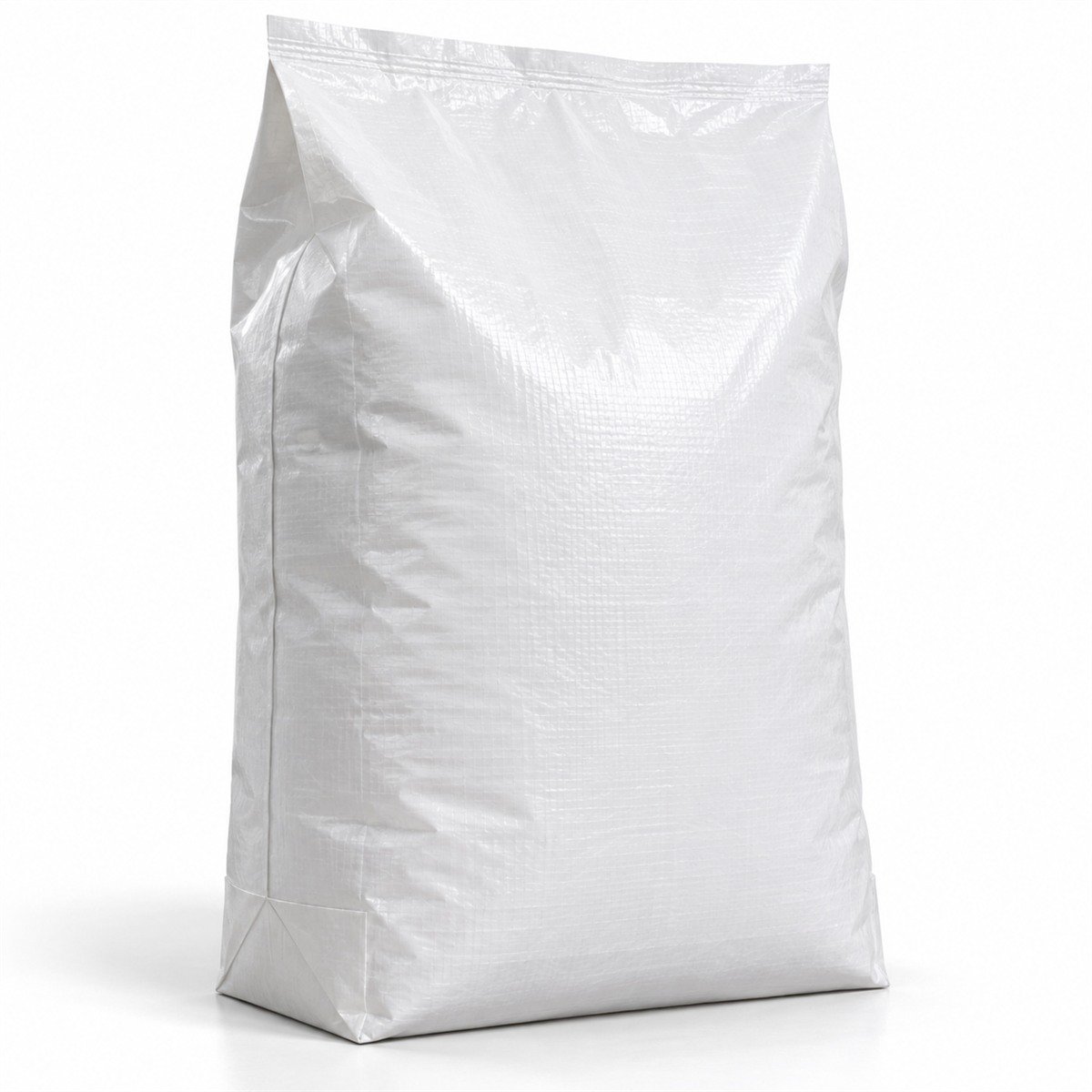
Self-standing bags with a flat rectangular base for retail shelf display and pallet stability. Premium packaging for branded products.
Configure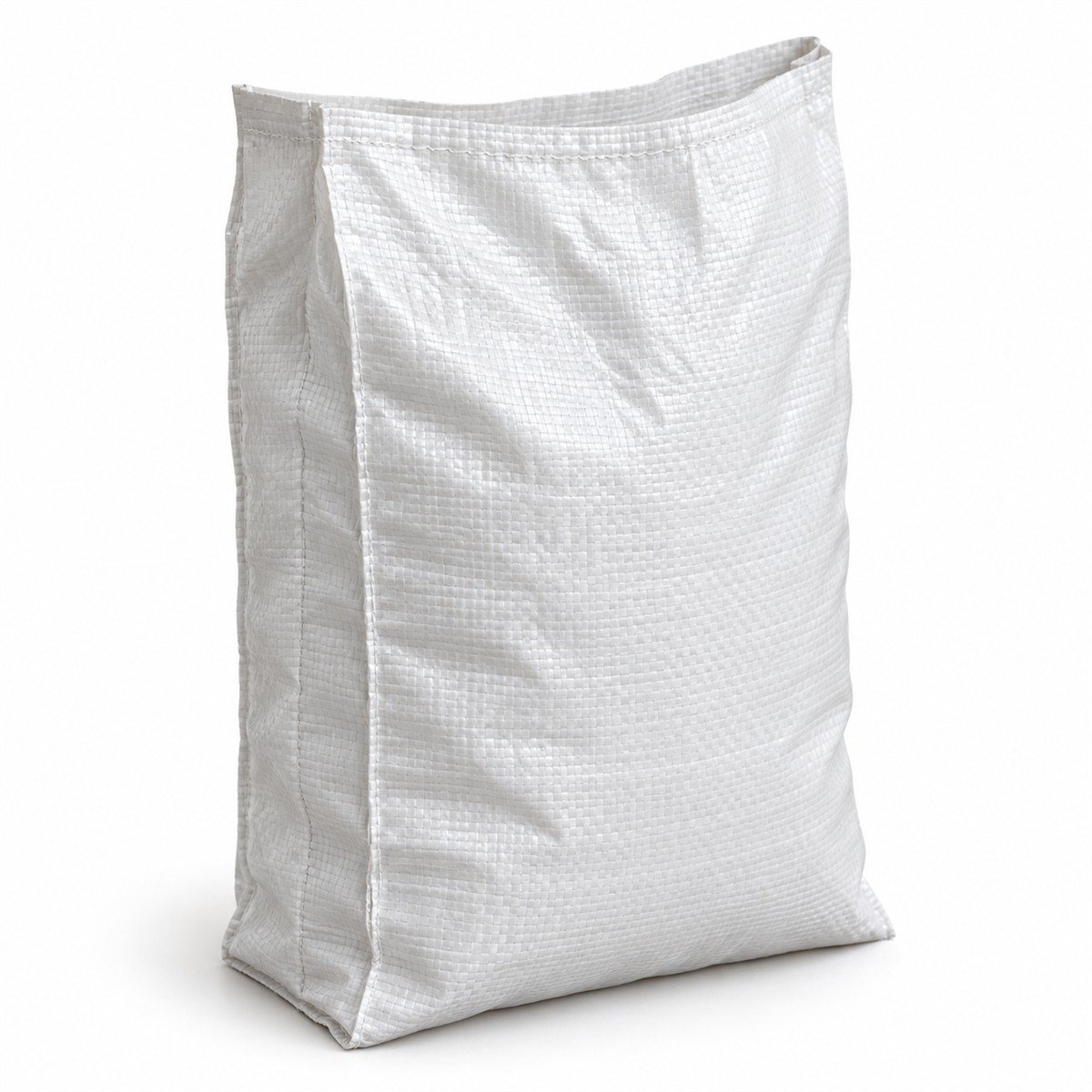
Side or bottom gussets expand fill volume and create a cube-shaped pack for efficient palletization and warehouse stacking.
Configure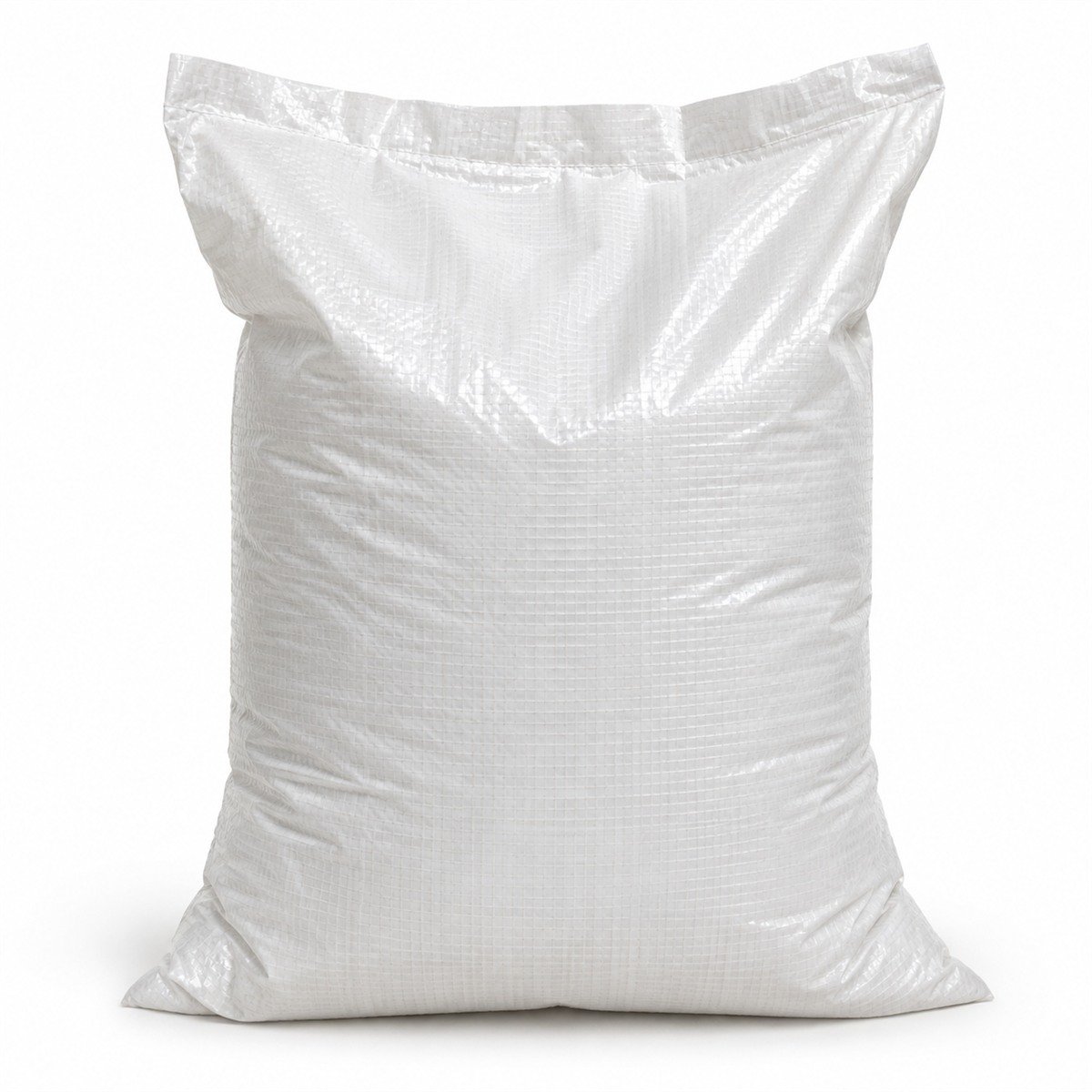
PE inner and/or BOPP outer lamination for moisture barrier protection and premium print quality. Food-grade options available.
Configure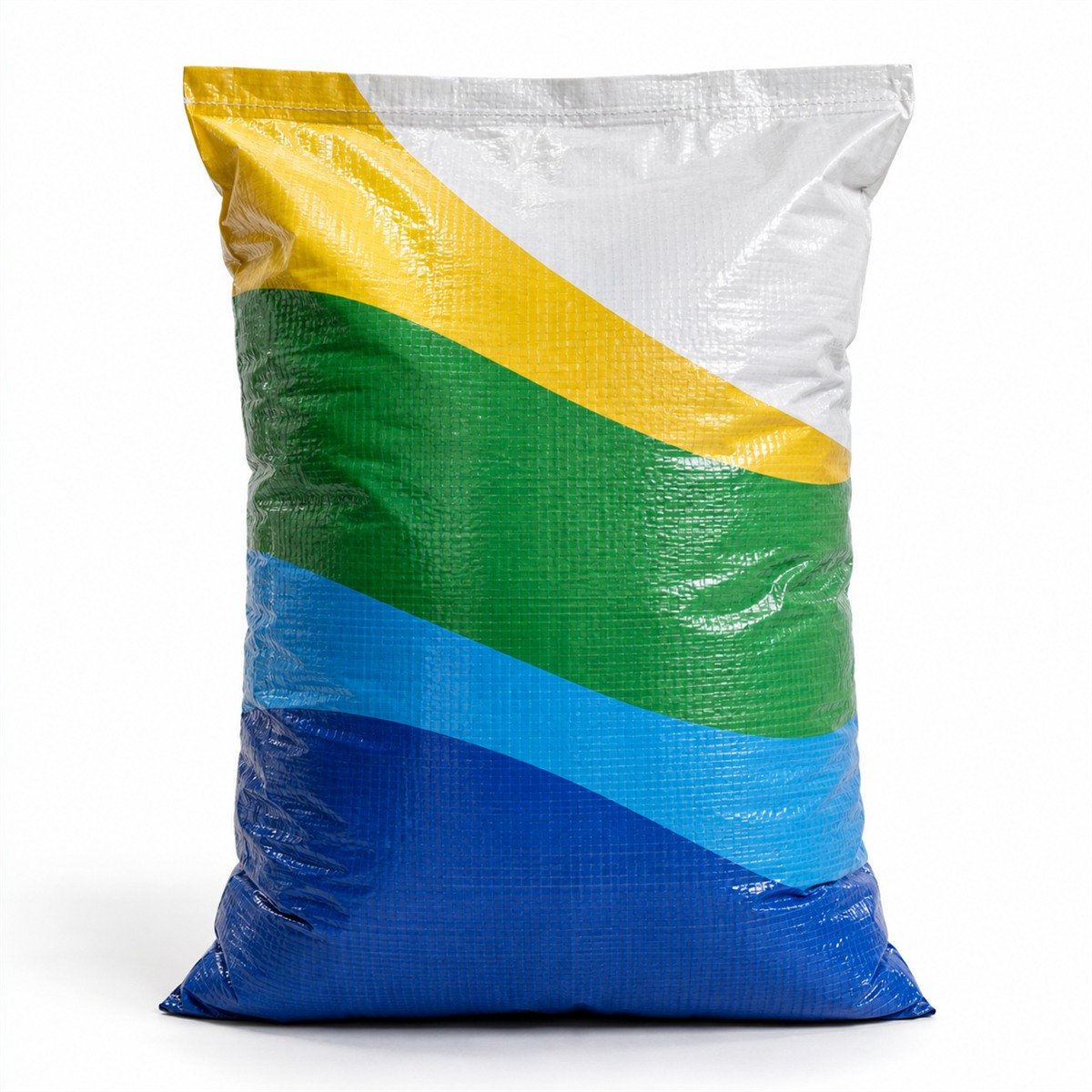
Photo-quality full-colour printed bags with glossy BOPP lamination. Retail-ready packaging for consumer-facing brands.
ConfigureNeed something custom? Request a quote with your spec and we'll match you to the right configuration.
Specifications
All specifications are fully customizable. Contact us to discuss your exact requirements.
| Material | Woven Polypropylene (PP) |
|---|---|
| Fabric Weight | 55 – 120 GSM |
| Load Capacity | 5 – 50 kg |
| Width | 35 – 65 cm |
| Length | 50 – 120 cm |
| Lamination | PE inner / BOPP outer (optional) |
| Printing | Up to 6-colour flexographic |
| Closure | Sewn, heat-sealed, or valve top |
| Certification | ISO 22000, food-contact safe |
| Order Minimums | Contact us for minimum production quantity |
All specifications are customizable. Contact us for exact requirements.
Industries We Serve
Our PP woven bags are specified by operations managers and procurement teams across 20+ industries.
Food-grade PP woven bags with PE inner lamination provide the moisture barrier and sift-proof construction that flour and grain mills require. Our bags meet CFIA and FDA food-contact standards and are designed for compatibility with open-mouth and valve-type filling systems running at industrial throughput.
View industry pageHeavy-duty woven polypropylene resists the corrosive properties of urea, ammonium nitrate, and blended NPK fertilizers. UV-stabilized fabric ensures bags maintain integrity during extended outdoor field storage, while optional gusseted bottoms improve pallet stability for warehouse stacking.
View industry pageCement, tile adhesive, dry mortar mix, and de-icing salt demand bags that resist puncture and abrasion under rough handling conditions. Our heavy-duty weave (90–120 GSM) with block-bottom construction provides the structural integrity and stackability that job sites and distribution centers require.
View industry pageBOPP-laminated PP woven bags deliver the premium shelf appearance that retail pet food brands demand, with the puncture resistance and moisture barrier that feed mills need. Full-colour photographic print quality allows for brand-forward packaging that performs in both farm supply and retail channels.
View industry pageHygroscopic products like sugar, salt, and powdered ingredients require airtight PE lamination to prevent moisture uptake and clumping. Our laminated PP woven bags maintain product flowability through storage and transportation while meeting food-safety certification requirements for direct contact.
View industry pagePP woven bags are the packaging format of choice for international commodity trade — lightweight, stackable, and compliant with phytosanitary regulations that restrict wood and natural-fibre packaging. Our export-grade bags are optimized for container loading efficiency and withstand the humidity cycles of ocean freight.
Our Process
Every order is managed end-to-end with a single point of contact.
We work with your team to define every parameter — bag dimensions, fabric weight (GSM), closure type, lamination requirements, and print design. Our technical staff review your product density, fill weight, palletization pattern, and storage conditions to recommend the optimal bag configuration.
Your bags are manufactured in ISO 9001 and ISO 22000 certified weaving facilities with dedicated QC teams. We conduct in-factory inspection during production to verify fabric weight, print colour accuracy, seam strength, and dimensional tolerances before shipment.
Every production run undergoes drop testing (1.2m loaded drop), tensile strength testing, seam burst testing, and print verification against approved artwork. You receive a Certificate of Compliance with each shipment documenting test results and batch traceability.
Orders are freight-optimized for container or LTL shipment across Canada. Full tracking is provided from factory to your dock. Delivery timelines are confirmed at the order stage.
Why Sackora
Over two decades of sourcing and supplying woven polypropylene packaging across food processing, agriculture, construction, and chemical industries. We serve hundreds of customers across Canada, backed by a global sourcing network of vetted, ISO-certified manufacturing facilities.
We maintain direct factory relationships with no intermediary agents or trading companies adding margin to your order. Container-load pricing and long-standing production partnerships allow us to deliver consistent, competitive per-unit costs — even on custom-printed, laminated configurations.
We provide clear, realistic delivery timelines at the order confirmation stage, based on your specification, volume, and customization requirements. Rush production may be available for time-sensitive requirements — contact us to discuss expedited options.
Every parameter is configurable: bag dimensions, fabric weight, closure type (sewn, heat-sealed, valve top), lamination (PE inner, BOPP outer, or both), and up to 6-colour flexographic printing. We provide pre-press artwork support, digital proofs, and colour matching to ensure your bags meet brand standards from the first production run.
Background
PP woven bags are industrial-grade packaging made from polypropylene resin that is extruded into flat tape yarns, then woven on circular looms into a strong, dimensionally stable fabric. The manufacturing process — tape yarn extrusion, circular loom weaving, cutting, sewing, and flexographic printing — produces a bag with a superior strength-to-weight ratio, consistent denier uniformity, and excellent printability. The result is a package that routinely outperforms paper, jute, and PE film in tensile strength, moisture resistance, and total cost per unit shipped.
Compared to multiwall paper sacks, PP woven bags resist tearing and moisture ingress even in uncovered outdoor storage. Unlike jute, they offer a clean, food-contact-safe interior and consistent fabric weight from bag to bag. And where PE film lacks the puncture resistance and stackability that warehouse and palletization operations require, woven polypropylene delivers both — while remaining fully recyclable within PP waste streams.
Sackora sources directly from ISO-certified weaving facilities with over two decades of production history. Every order is backed by factory-level QC inspection, tensile and drop-test verification, and a single point of contact from specification through delivery. Whether you need 10,000 printed flour sacks or a full container of plain sandbags, we provide the same level of engineering attention and supply-chain reliability that operations managers and procurement teams depend on.
The performance of a PP woven bag starts with its fabric weight, measured in grams per square metre (GSM). Light-duty bags in the 55–65 GSM range are suited for products like charcoal, peat moss, and other low-density goods where weight savings reduce shipping costs. Standard-duty bags at 70–85 GSM cover the majority of applications — flour, rice, sugar, fertilizer, and animal feed — providing a reliable balance of strength, cost, and handling characteristics. Heavy-duty bags at 90–120 GSM are specified for abrasive or high-density products such as cement, sand, mineral aggregates, and de-icing salt where puncture and burst resistance are critical.
Beyond GSM, the tape yarn denier (thickness of individual tapes) and mesh count (number of tapes per 10 cm in warp and weft directions) determine the fabric's tensile strength and porosity. A higher mesh count with finer denier yarn produces a tighter, smoother fabric surface ideal for lamination and high-quality printing, while a lower mesh count with heavier denier yarn maximizes tear resistance for rough-handling environments. The choice between virgin polypropylene resin and recycled PP also affects UV stability, colour consistency, and food-contact compliance — virgin resin is required for food-grade applications, while recycled content can reduce cost for industrial uses.
Choosing the right fabric construction is not guesswork. Our technical team evaluates your product's bulk density, fill weight, bag dimensions, palletization requirements, and storage conditions to recommend the GSM and weave pattern that delivers the lowest total cost of packaging without risking product loss or bag failure in the field.
PE (polyethylene) inner lamination applies a thin film to the inside surface of the woven fabric, creating a moisture barrier that prevents water vapour transmission into hygroscopic products. This is essential for flour, sugar, cement, and powdered chemicals that absorb moisture and lose flowability, clump, or degrade when exposed to humidity. PE lamination also makes the bag sift-proof, eliminating fine-particle leakage through the weave that can cause product loss and workplace dust issues.
BOPP (biaxially oriented polypropylene) outer lamination bonds a clear or printed film to the exterior surface. BOPP lamination serves two purposes: it provides a premium, glossy print surface that supports photographic-quality full-colour graphics for retail-facing packaging, and it adds an additional layer of puncture and scuff resistance that protects print quality during handling and transportation. BOPP-laminated bags are the standard choice for branded pet food, rice, flour, and charcoal bags sold through retail channels.
Double lamination — PE inside and BOPP outside — delivers the combined benefits of interior moisture barrier and exterior print protection. This configuration is specified for premium food products, export packaging where bags face extended transit times and humidity exposure, and any application where both product integrity and brand presentation are non-negotiable. Our team will recommend the right lamination configuration based on your product characteristics, storage environment, and branding requirements.
Yes. Sackora supplies custom woven polypropylene bags to food, agriculture, construction, chemical, and consumer businesses across Canada, shipped from our warehouse in Richmond Hill, Ontario. Sackora is a Canadian corporation, and our team brings 20+ years of expertise in woven polypropylene procurement. Printed, laminated, and food-grade options are available from 5 kg to 50 kg (11–110 lb) — request a quote and we'll confirm pricing and lead time for your delivery location.
Minimum order quantity depends on bag size, construction and print requirements. Printed and custom-size woven PP bags are produced to order, so a minimum production quantity applies. Send us your spec and we will confirm the minimum for that configuration.
Yes. Our bags are manufactured in ISO 22000 certified facilities and meet food-contact safety standards required by the CFIA and FDA.
We offer up to 6-colour flexographic printing. You can print your logo, product information, regulatory text, and barcodes on one or both sides of the bag.
Custom orders are produced to your specification, so lead time runs from artwork approval and depends on quantity, print and finishing. We confirm a firm date with your quote rather than quoting a standard window. Rush orders may be available — contact us for details.
Yes. We offer PE inner lamination (moisture barrier) and BOPP outer lamination (premium print finish and added durability).
We manufacture bags from 35cm to 65cm wide and 50cm to 120cm long. Custom dimensions are available to match your exact requirements.
PE (polyethylene) lamination is applied to the inner surface of the bag and serves primarily as a moisture barrier and sift-proof layer. It prevents water vapour from reaching hygroscopic products like flour, sugar, and cement, and eliminates fine-particle leakage through the woven fabric. BOPP (biaxially oriented polypropylene) lamination is applied to the outer surface and provides a glossy, smooth print surface that supports photographic-quality full-colour graphics. BOPP also adds puncture and scuff resistance, protecting the printed design during handling and transit. For applications requiring both moisture protection and premium branding, we offer double lamination — PE inside and BOPP outside.
Fabric weight selection depends on your product's bulk density, fill weight, handling conditions, and storage environment. Light-duty bags (55–65 GSM) are appropriate for low-density products like charcoal and peat moss. Standard-duty bags (70–85 GSM) suit most applications including flour, rice, fertilizer, and animal feed. Heavy-duty bags (90–120 GSM) are required for abrasive or high-density products such as cement, sand, and mineral aggregates. Our technical team will recommend the optimal GSM based on your specific product and operational requirements — the goal is always the lowest total packaging cost without risking bag failure.
Yes. Our PP woven bags are designed for compatibility with all major automated filling systems, including open-mouth baggers, valve-type fillers, and form-fill-seal (FFS) machines. We specify bag dimensions, mouth opening tolerances, and fabric stiffness to match the requirements of your specific equipment. If you provide your filling machine make and model, we can confirm compatibility and recommend the optimal bag configuration for your line speed and fill accuracy targets.
Our manufacturing partners hold ISO 9001 (quality management systems), ISO 22000 (food safety management), FSSC 22000 (food safety system certification recognized by GFSI), and BRC Global Standard for Packaging Materials. These certifications ensure that every bag produced meets internationally recognized standards for quality control, traceability, and food-contact safety. Certificates of compliance are available upon request with each shipment.
Get a fast, no-obligation quote. We typically respond within 24 hours.