Flexible Intermediate Bulk Containers from 500kg to 2,000kg — ISO tested, food-grade available. Standard and custom configurations tailored to your specifications.
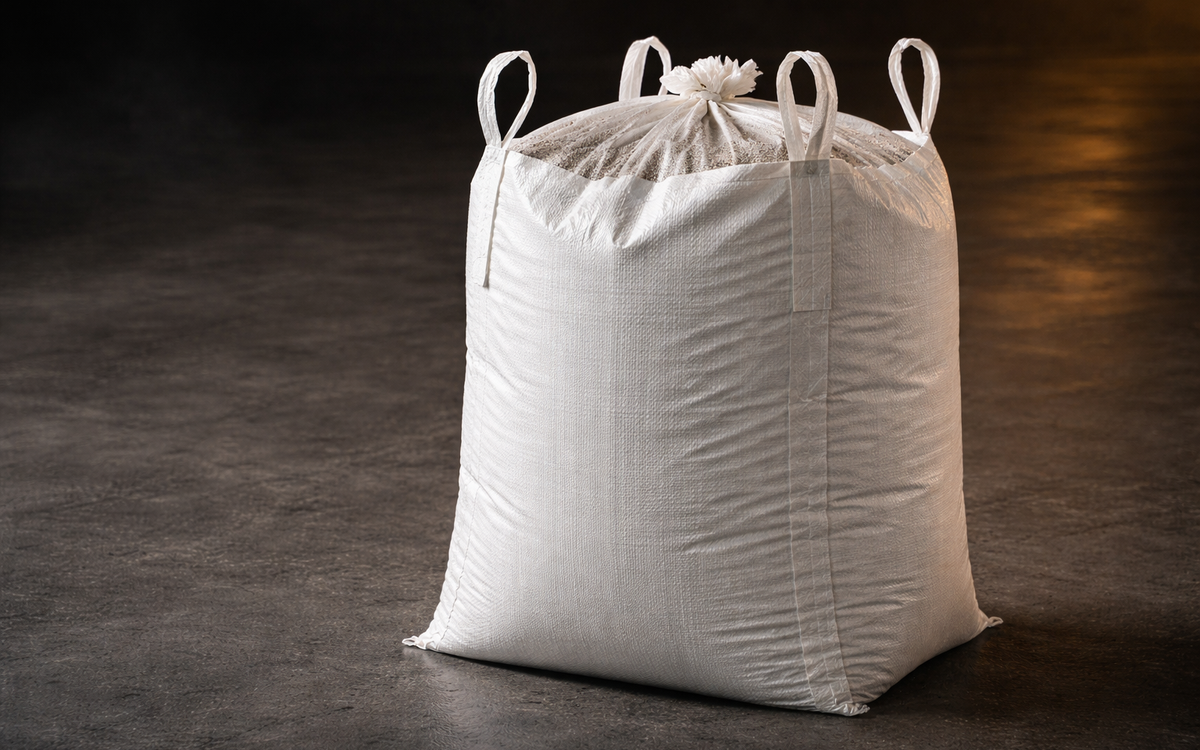
FIBC Bag Types
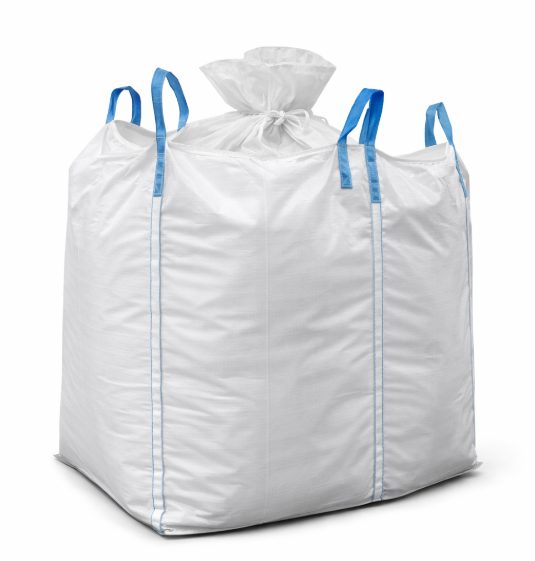
Open-top or duffle-top filling with flat or discharge bottom. The most versatile FIBC configuration.
Configure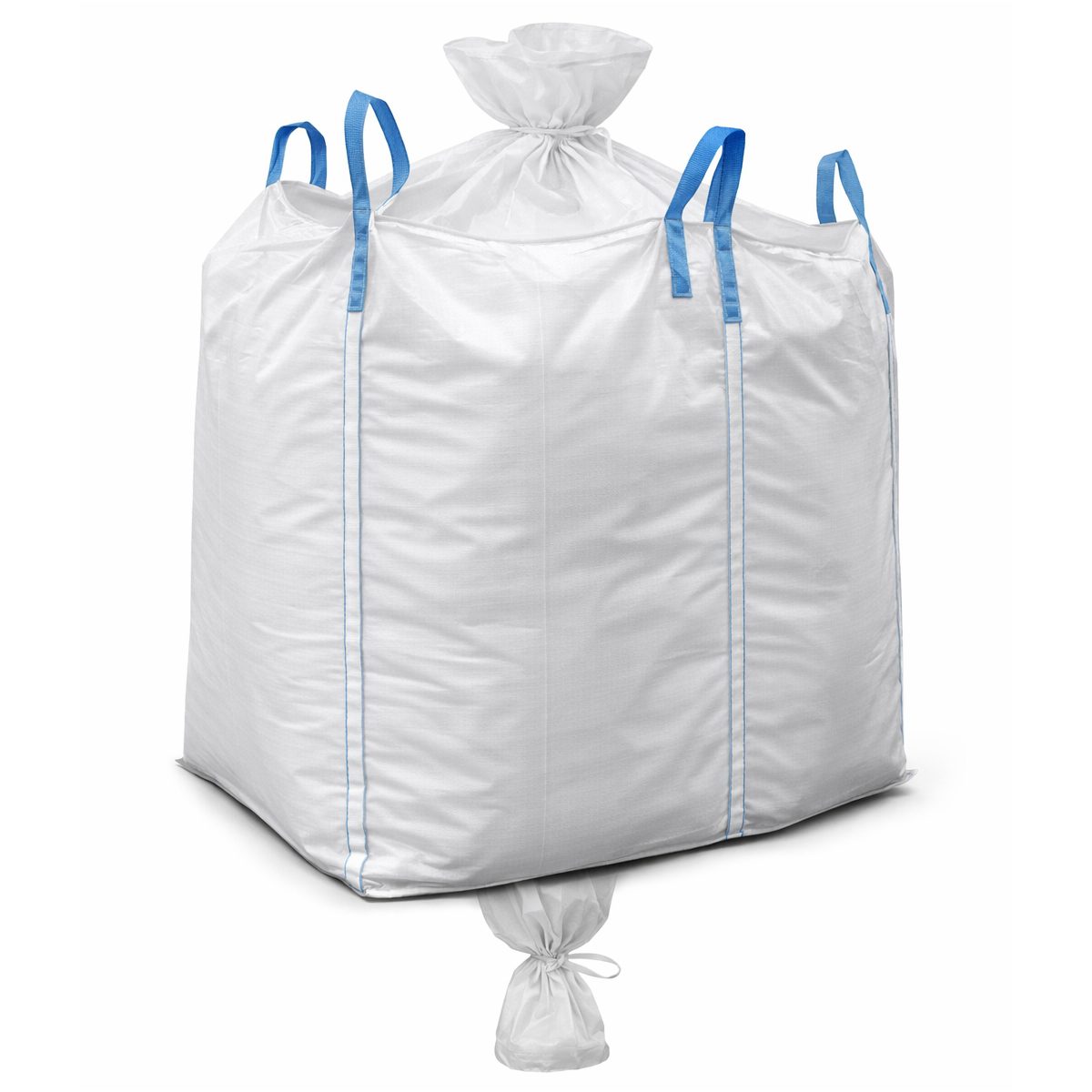
Discharge spout for controlled material flow. Ideal for metered dispensing operations.
Configure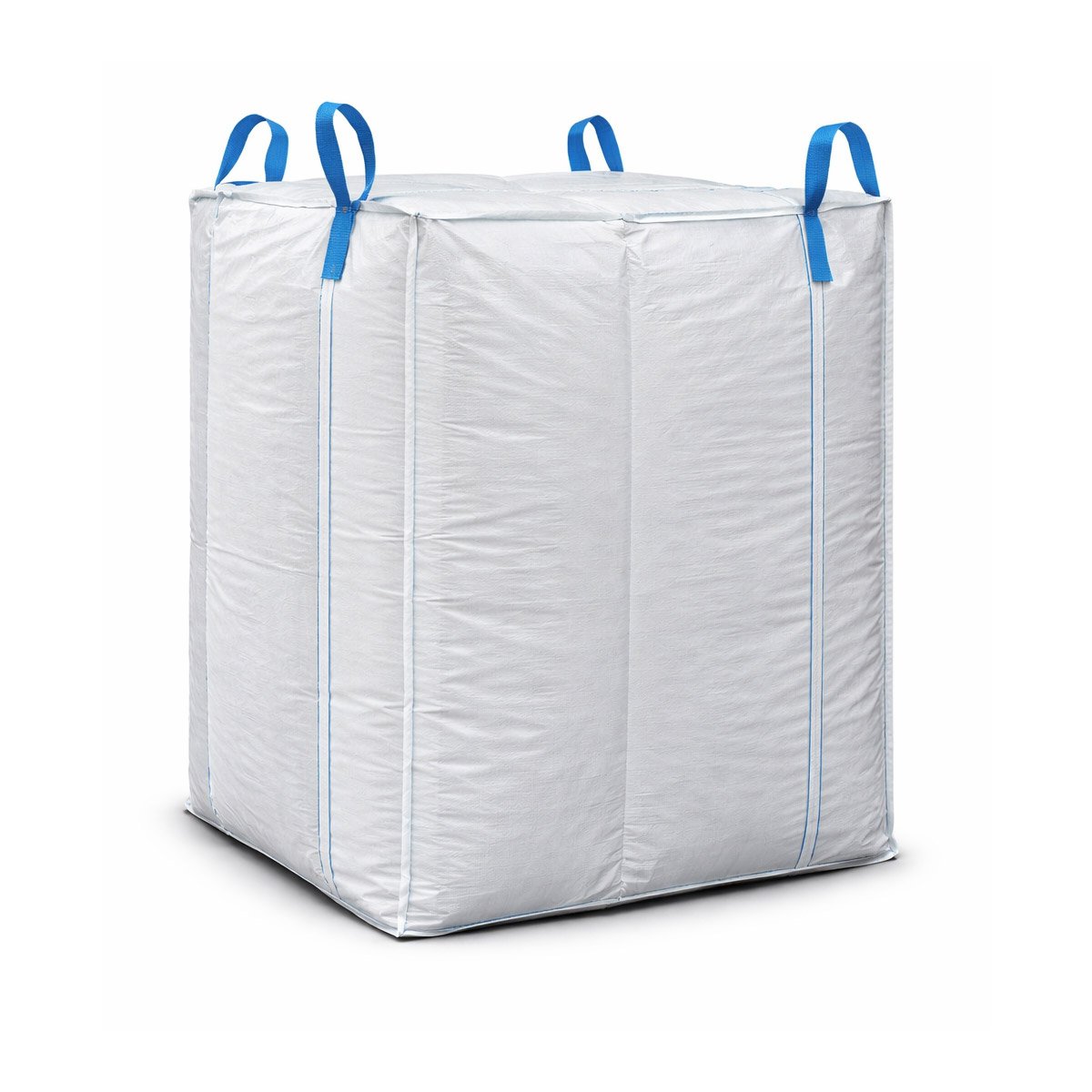
Internal baffles maintain a square shape when filled. Maximizes pallet and container space.
Configure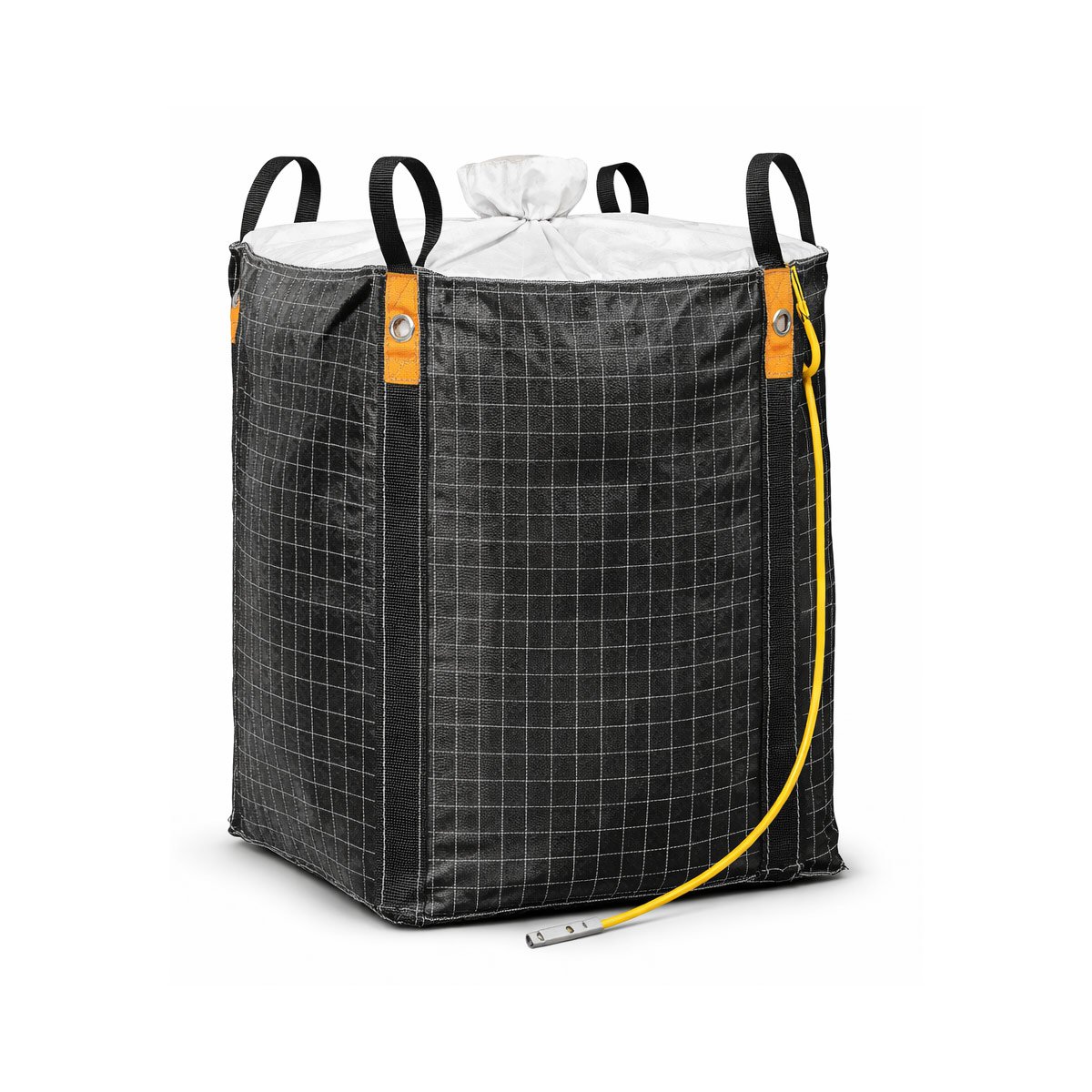
Type C and Type D FIBC for flammable or combustible dust environments. Meets OSHA requirements.
Configure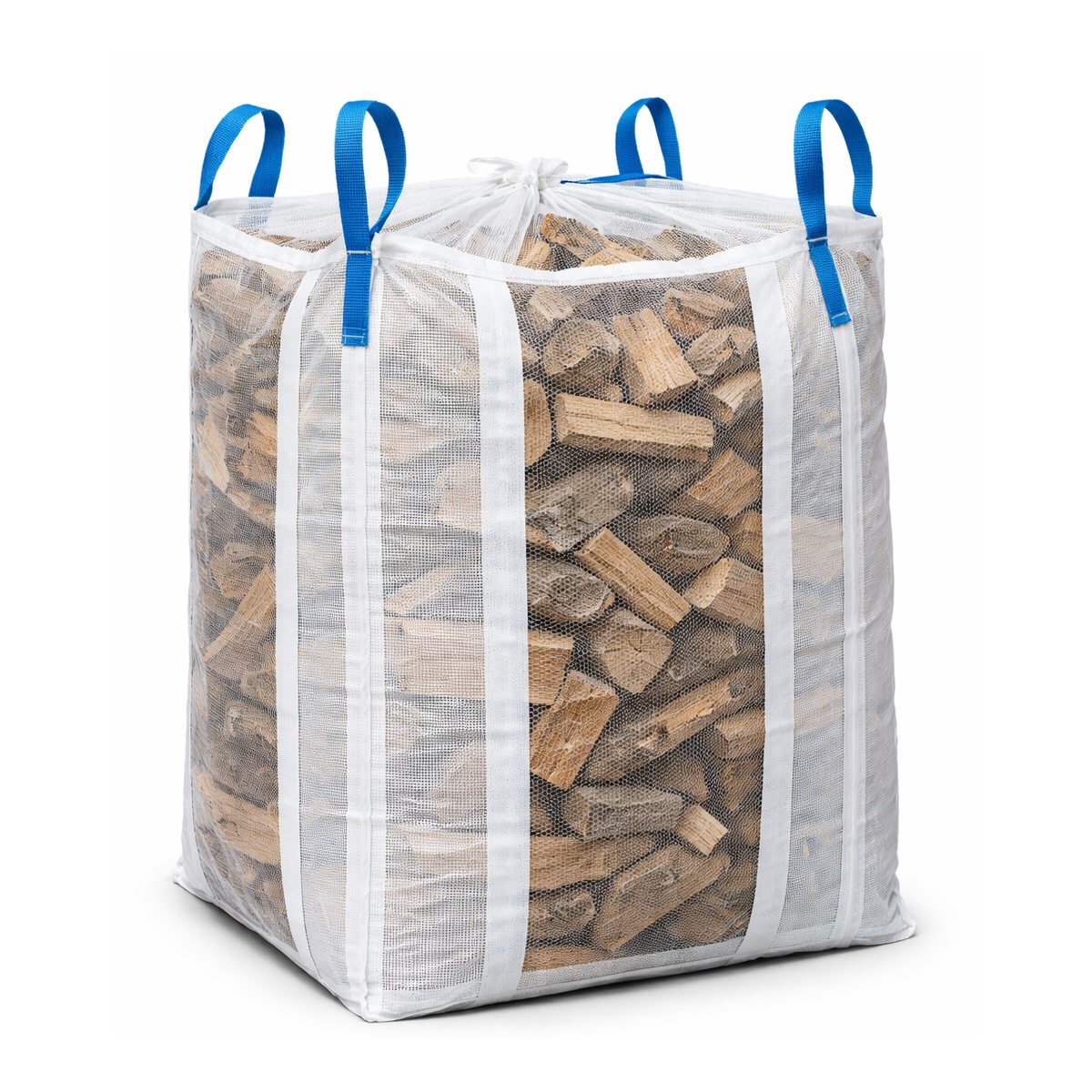
Breathable mesh or vented panels for products requiring airflow. Firewood, produce, and agricultural use.
Configure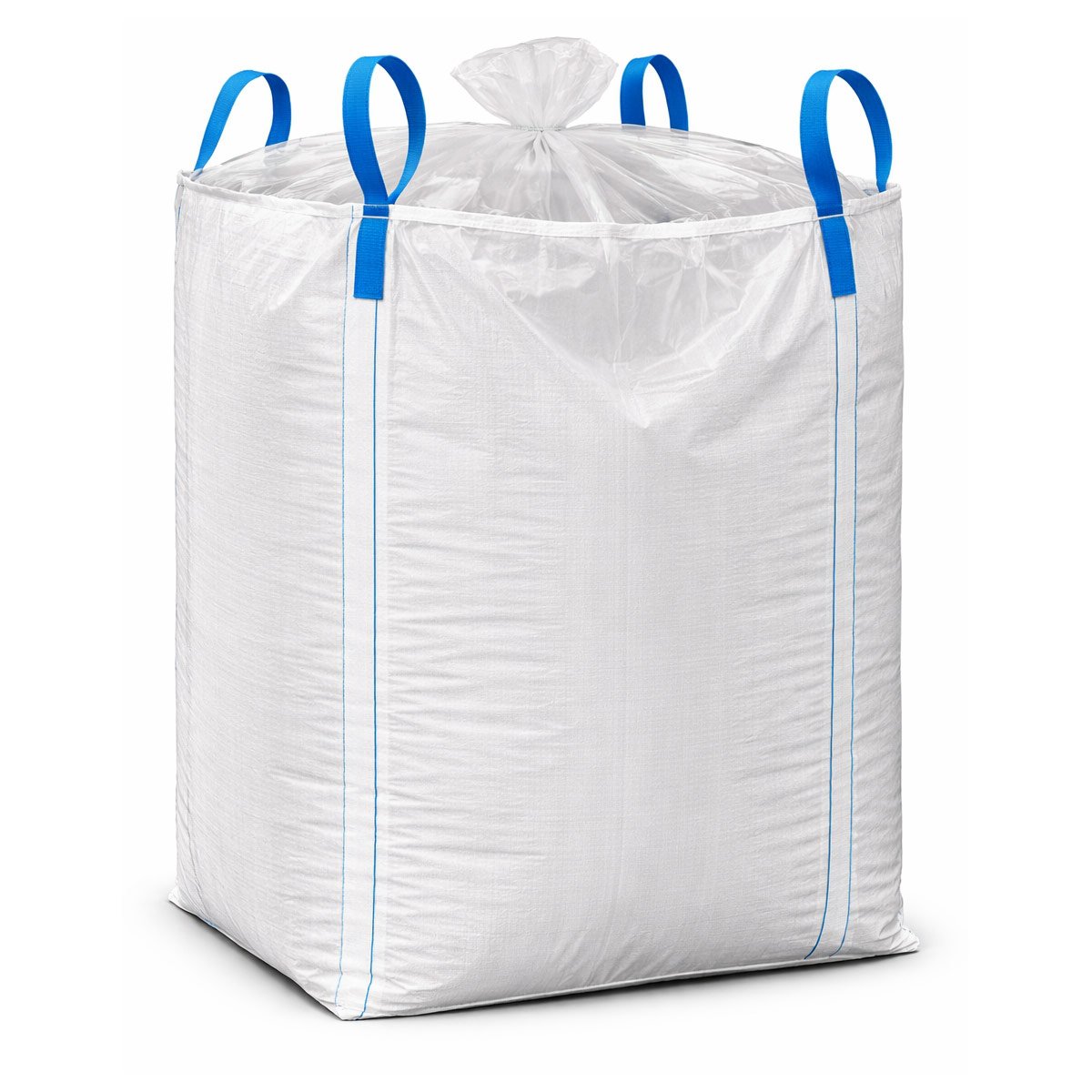
Virgin PP, FSSC 22000 certified production, PE liner standard. For flour, sugar, grain, and food ingredients.
ConfigureNeed something custom? Request a quote with your spec and we'll match you to the right configuration.
Specifications
All specifications are fully customizable. Contact us to discuss your exact requirements.
| Material | Woven Polypropylene (PP), UV stabilized |
|---|---|
| Safe Working Load | 500 – 2,000 kg |
| Safety Factor | 5:1 or 6:1 |
| Standard Dimensions | 90 × 90 × 110 cm |
| Fabric Weight | 150 – 230 GSM |
| Lifting | 4 cross-corner loops |
| Fill Options | Open top, duffle top, spout fill |
| Discharge Options | Flat bottom, spout bottom |
| Printing | Up to 6-colour |
| Testing Standard | ISO 21898 |
| Liner | PE liner available (moisture/contamination barrier) |
Custom dimensions, SWL, and configurations available. Contact us with your requirements.
Industries
FIBC bags are the global standard for safe, efficient bulk material handling across dozens of industries.
Transport ore concentrates, sand, gravel, and mineral powders in bags built for punishing loads. Heavy SWL ratings and UV-stabilized fabric withstand outdoor stockpiling and rough handling at mine sites and quarries.
View industry pageMove flour, sugar, grain, starches, and food additives in contamination-free FIBC bags. Food-grade bags are manufactured from virgin polypropylene in FSSC 22000 certified facilities and include PE liners as standard to prevent moisture ingress.
View industry pageHandle granular and powder chemicals, fertilizers, and industrial compounds safely. Type C and Type D anti-static FIBC options eliminate ignition risk in environments with combustible dust or flammable vapours.
View industry pageFill cement, sand, crushed stone, and clean fill into open-top FIBC bags designed for loader and excavator filling on job sites. Flat-bottom bags stack securely on pallets, while spout-bottom bags allow controlled discharge into mixers and hoppers.
View industry pageStore and ship seed, grain, animal feed, and fertilizer in bulk. Ventilated FIBC options with breathable mesh panels promote airflow to prevent moisture buildup and spoilage during extended storage periods.
View industry pageContain demolition debris, contaminated soil, asbestos, and recycling aggregates for safe transport and disposal. Heavy-duty construction and large open-top designs accommodate irregular materials and rough site conditions.
Our Process
Standard and custom FIBC configurations with delivery timelines tailored to your specifications.
We start by defining the safe working load, dimensions, fill method, discharge method, liner requirements, and static-protection classification your application demands. Our team recommends the right FIBC configuration based on your material characteristics, bulk density, and handling equipment.
Every FIBC is produced in ISO-certified manufacturing facilities with full traceability. Each production batch is drop-tested, top-lift tested, and visually inspected in accordance with ISO 21898. A certificate of compliance accompanies every shipment.
Every order is tracked from production through ocean freight to final delivery, with status updates at every milestone.
We ship freight-optimized loads across Canada with full tracking from warehouse to your facility. Our team provides ongoing technical support covering filling procedures, forklift handling, stacking limits, and storage best practices.
Why Sackora
ISO 21898 covers top-lift, drop, tear-propagation, and cyclic-use testing — the full battery that proves a bag can handle real-world loading, transport, and discharge conditions. Every FIBC we supply ships with a certificate of compliance, and we maintain lot-level traceability so you can tie any bag back to its manufacturing run and test results.
We supply standard 90×90×110 cm duffle-top and spout-bottom bags with a 5:1 safety factor, 1,000 kg SWL, and UV stabilization. Contact us to confirm current availability and minimum order details — we accommodate orders from a single pallet to full truckload.
We manufacture custom FIBC in virtually any configuration: baffle, circular, conductive Type C or Type D, ventilated mesh, Q-bag, single- and multi-trip. Add PE or aluminium foil liners, fill or discharge spouts, document pouches, printing up to six colours, and UN certification for dangerous goods.
Our logistics team consolidates orders into freight-optimized shipments across Canada. Every shipment includes full tracking from warehouse dispatch through final delivery. For high-volume accounts, we coordinate scheduled releases to match your production cadence.
Background
FIBC bags — Flexible Intermediate Bulk Containers — are the global standard for transporting and storing dry bulk materials in quantities from 500 kg to 2,000 kg. Each bag is constructed from multiple panels of heavy-duty woven polypropylene fabric, stitched together with high-tenacity thread and reinforced with four cross-corner lift loops rated for forklift and crane handling. Every production batch undergoes rigorous safety-factor testing: a bag rated at 5:1 can sustain five times its safe working load before failure, and 6:1 bags provide an even wider margin for food-grade and hazardous-material applications.
The engineering behind an FIBC determines its performance in the field. Fabric weight (typically 150–230 GSM), UV stabilization additives, liner type, fill and discharge spout configuration, and static-protection classification all vary based on the material being handled and the conditions it will face during transport and storage. Whether you are moving free-flowing granules, fine powders, or irregularly shaped aggregates, the right FIBC design prevents product degradation, minimizes dust, and keeps workers safe.
Sackora supplies standard duffle-top and spout-bottom bags across North America, while our manufacturing partners in ISO-certified facilities produce custom configurations — baffle, conductive, ventilated, food-grade, UN-rated — matched to your specifications. From a single pallet to full container loads, we supply the bag and the technical guidance to match it to your operation.
The safety factor of an FIBC is the ratio between its minimum breaking strength and its rated safe working load (SWL). A 5:1 safety factor means a bag rated at 1,000 kg SWL has been tested to withstand at least 5,000 kg before structural failure. A 6:1 safety factor raises that threshold to 6,000 kg, providing an additional margin of protection for applications where the consequences of bag failure are severe — food processing lines, pharmaceutical ingredients, and the transport of UN-classified dangerous goods all typically require 6:1 bags.
ISO 21898 is the international standard governing FIBC design, manufacture, and testing. It specifies a battery of tests including top-lift testing (suspending the filled bag by its loops), drop testing from a defined height, tear-propagation resistance, and cyclic top-lift testing that simulates repeated use. Bags intended for multi-trip service must pass additional endurance criteria. UN-certified FIBCs for dangerous goods undergo further performance testing and must carry the UN packaging mark.
Sackora verifies compliance by requiring certificates of conformance from every manufacturing facility, conducting receiving inspections at our warehouse, and maintaining full lot traceability from raw resin through finished bag. If your application has specific regulatory or customer-audit requirements, we can supply the complete test report documentation for your records.
Static electricity generated during the filling and discharge of bulk powders can ignite flammable dust clouds or solvent vapours. FIBC bags are classified into four static-protection types, each suited to different hazard levels.
Type A bags offer no static protection. They are made from plain woven polypropylene and are suitable only for transporting non-flammable materials where no combustible dust or flammable vapour is present. Most general-purpose sand, gravel, and agricultural products are safely handled in Type A bags.
Type B bags are also made from plain polypropylene but are tested to have a low breakdown voltage (below 6 kV), which prevents the occurrence of energetic propagating brush discharges. Type B bags are suitable for handling dry, non-flammable powders when a flammable atmosphere may be present around the exterior of the bag, but they do not prevent ordinary spark discharges.
Type C bags incorporate conductive threads or tapes woven into the fabric in a grid pattern, creating a Faraday cage effect. These bags must be electrically grounded during filling and discharge. When properly grounded, Type C bags safely dissipate static charge and are approved for use with flammable powders and in atmospheres containing flammable vapours or gases. Chemical plants and fuel-additive facilities commonly specify Type C.
Type D bags use specially engineered anti-static fabrics that safely dissipate static electricity to the atmosphere through corona discharge, without the need for a grounding connection. This makes Type D bags the preferred choice in operations where grounding discipline cannot be guaranteed — mobile fill stations, outdoor sites, and facilities without permanent grounding infrastructure. Type D bags are suitable for flammable powders and for use in the presence of flammable vapours.
The way product enters and exits an FIBC determines how efficiently you can integrate it into your filling line, storage layout, and discharge process. Choosing the wrong configuration leads to slow fill rates, product spillage, or incompatibility with your existing equipment.
Fill options: An open top bag has no closure — the entire top panel is open for loader, chute, or conveyor filling. This is the fastest fill method and the standard choice for construction aggregates, demolition waste, and any material loaded by excavator or front-end loader. A duffle top adds a fabric skirt that can be tied or cinched around a fill spout, keeping dust contained during filling while still allowing manual access. Duffle tops are the most versatile option and work well for both spout-fed and open filling. A spout fill top integrates a cylindrical inlet tube (typically 35–45 cm diameter) designed to connect directly to a filling machine nozzle. Spout fill is essential for automated filling lines handling powders and granules where dust control and fill accuracy are critical.
Discharge options: A flat bottom is a fully sealed base panel — the bag is emptied by inverting, slitting, or cutting. Flat bottoms provide maximum stability during storage and transport and are the default for single-trip bags. A spout bottom integrates a discharge tube (typically 35–45 cm diameter) that allows controlled, gravity-fed material release into hoppers, mixers, or processing equipment. The spout is tied or secured during transport and opened at the point of discharge. Spout bottoms are standard for chemical, food, and mineral processing operations where metered dispensing and dust containment are required.
Woven polypropylene fabric is inherently breathable — the weave structure allows air and moisture vapour to pass through. For many dry bulk materials like sand, gravel, and aggregates, this is an advantage because it prevents condensation buildup inside the bag. However, for moisture-sensitive products like flour, sugar, chemicals, and pharmaceutical intermediates, an inner liner is essential to create a sealed barrier against humidity, contamination, and product leakage through the weave.
Polyethylene (PE) liners are the most common option. A PE film tube is inserted into the FIBC body and typically heat-sealed or folded at the top and bottom. Standard PE liners range from 50 to 100 microns in thickness. Thinner liners (50–60 µm) are suitable for granular products, while thicker liners (80–100 µm) are specified for fine powders that could puncture a thinner film during filling or handling. PE liners can be loose-fit (inserted as a separate bag) or form-fit (heat-tacked to the inner walls of the FIBC to prevent the liner from collapsing during filling).
Aluminium foil liners provide a superior moisture and oxygen barrier for highly hygroscopic materials, pharmaceutical-grade products, or any application where extended shelf life is critical. Foil laminate liners combine aluminium with PE or PET layers for puncture resistance while maintaining the gas-barrier properties of the foil. These are specified for specialty chemicals, food ingredients with strict moisture specifications, and products requiring nitrogen purge or modified atmosphere storage.
Coated fabric is an alternative to a separate liner. The woven PP fabric itself is coated with a PE or PP lamination during manufacturing, creating an integrated moisture barrier without the need for a separate liner insert. Coated bags are faster to fill (no liner to manage) and reduce the risk of liner collapse, but they offer less barrier performance than a dedicated foil liner.
FIBCs are engineered for either single-trip or multi-trip service, and the difference is not just durability — it affects safety factor requirements, fabric weight, seam construction, testing protocols, and total cost of ownership.
Single-trip bags are designed for one fill-discharge cycle. They use a 5:1 safety factor (the bag can withstand five times its rated SWL before failure) and are constructed with standard-weight fabric (typically 150–170 GSM) and single-fold stitched seams. Single-trip bags are the most cost-effective option for applications where the bag is discarded or recycled after one use — construction aggregates, waste containment, one-way export shipments, and any operation where returning empty bags is impractical.
Multi-trip bags are built for repeated fill-discharge cycles — typically rated for 3 to 5 trips depending on the material and handling conditions. They require a 6:1 safety factor under ISO 21898, which means heavier fabric (180–230 GSM), reinforced seams (double-fold or overlock stitching), and heavier-gauge lift loops. Multi-trip bags also undergo cyclic top-lift testing: the filled bag is repeatedly lifted and set down to simulate the cumulative stress of multiple handling cycles. The higher material cost of a multi-trip bag is offset by reuse — if your operation fills and empties bags on a closed loop (e.g., moving product between facilities or between a warehouse and a processing plant), multi-trip bags can reduce your per-fill packaging cost by 50–70%.
Choosing between single-trip and multi-trip depends on logistics, not just price. If bags are shipped to a customer who will not return them, multi-trip construction adds cost with no benefit. If bags circulate within your own operation or between trusted partners, multi-trip bags pay for themselves within two or three cycles. Our team can run a cost comparison based on your specific fill volume and logistics flow.
Yes. Sackora supplies FIBC bulk bags to manufacturers, food processors, grain handlers, and contractors across Canada, shipped from our warehouse in Richmond Hill, Ontario. Sackora is a Canadian corporation, and our team brings 20+ years of expertise in woven polypropylene procurement. Standard, baffle, spout-bottom, conductive, ventilated, and food-grade configurations are available from 500 kg to 2,000 kg (1,100–4,400 lb), ISO 21898 tested — request a quote and we'll confirm pricing and lead time for your delivery location.
The safety factor is the ratio of the bag's breaking strength to its safe working load (SWL). A 5:1 bag rated at 1,000kg SWL can withstand 5,000kg before failure. 6:1 offers an additional margin for high-risk or food-grade applications.
Yes. We supply standard duffle-top and spout-bottom bags in common sizes (90×90×110cm). Contact us to confirm current availability.
Yes. We supply food-grade FIBC bags manufactured in ISO 22000 certified facilities, suitable for grain, flour, sugar, spices, and other food products.
Type D FIBC bags are designed with anti-static threads woven into the fabric. They safely dissipate static charge without requiring grounding, making them ideal for flammable dust environments.
Custom FIBC are produced to order, so a minimum production quantity applies. The figure depends on the configuration — printing, PE liners, baffles, Type C or Type D anti-static construction and UN rating all affect the run size. Stock duffle-top bags held in Ontario can be supplied in smaller quantities. Send us your configuration and we will confirm the minimum.
Store FIBC bags indoors or under cover, away from direct sunlight and moisture. UV-stabilized bags can tolerate outdoor exposure, but indoor storage extends bag life.
Yes. We offer up to 6-colour flexographic printing on FIBC bags, including logos, product information, handling instructions, and safety symbols.
Yes. We supply UN-certified FIBC bags for the transport of hazardous materials. These bags meet international dangerous goods regulations for safe bulk transport.
Type C bags use conductive threads woven into the fabric to create a Faraday cage that channels static charge to ground — but they must be physically connected to an earth grounding point during every fill and discharge operation. If the grounding connection is forgotten or broken, a Type C bag provides no protection and can be more dangerous than a standard bag. Type D bags use specially engineered anti-static fabrics that dissipate charge to the surrounding atmosphere through controlled corona discharge, with no grounding connection required. Type D is the safer choice when grounding discipline is difficult to enforce, such as on mobile fill stations or outdoor job sites. Both types are suitable for flammable powders and for use near flammable vapours, but Type C remains the preferred option in fixed installations with reliable grounding infrastructure because it offers the most predictable charge path.
Safe working load (SWL) is the maximum net weight of product the bag is designed to carry in normal service. To determine the correct SWL, start with the bulk density of your material (kg per cubic metre) and the volume of your chosen bag size. For example, a standard 90×90×110 cm bag holds roughly 0.9 cubic metres; if your material has a bulk density of 1,200 kg/m³, the filled weight will be approximately 1,080 kg, so you need an SWL of at least 1,100 kg with appropriate headroom. You should also factor in dynamic forces — forklift acceleration, crane swing, and transport vibration can impose loads well above the static weight of the product. As a rule, select an SWL that exceeds your expected fill weight by at least 10–15 percent, and apply a 6:1 safety factor for any application involving food, pharmaceuticals, or hazardous materials. Our team can help you calculate the right specification based on your material data sheet and handling conditions.
Get a fast, no-obligation quote. We typically respond within 24 hours.